Japanese Knotweed Removal London with Gardner’s Trees
You need Japanese knotweed removed quickly and legally, and Gardner's Trees offers focused, professional solutions across London to protect your property and plans. They combine accurate identification with proven removal methods and compliant waste handling so you can resolve Japanese knotweed issues without risking mortgages, development delays or enforcement action.
Discover how to spot knotweed on your land, why DIY approaches often fail, and how Gardner's Trees tailors herbicidal and excavation options to your situation and site constraints. Expect clear guidance on surveys, treatment timelines and when to call in a certified specialist to safeguard property value and progress.
Identifying Japanese Knotweed in London
Japanese Knotweed shows distinctive growth patterns, leaf shapes and seasonal changes you can check visually and photograph for records. Accurate identification matters for legal, property and treatment steps.
Common Signs of Infestation
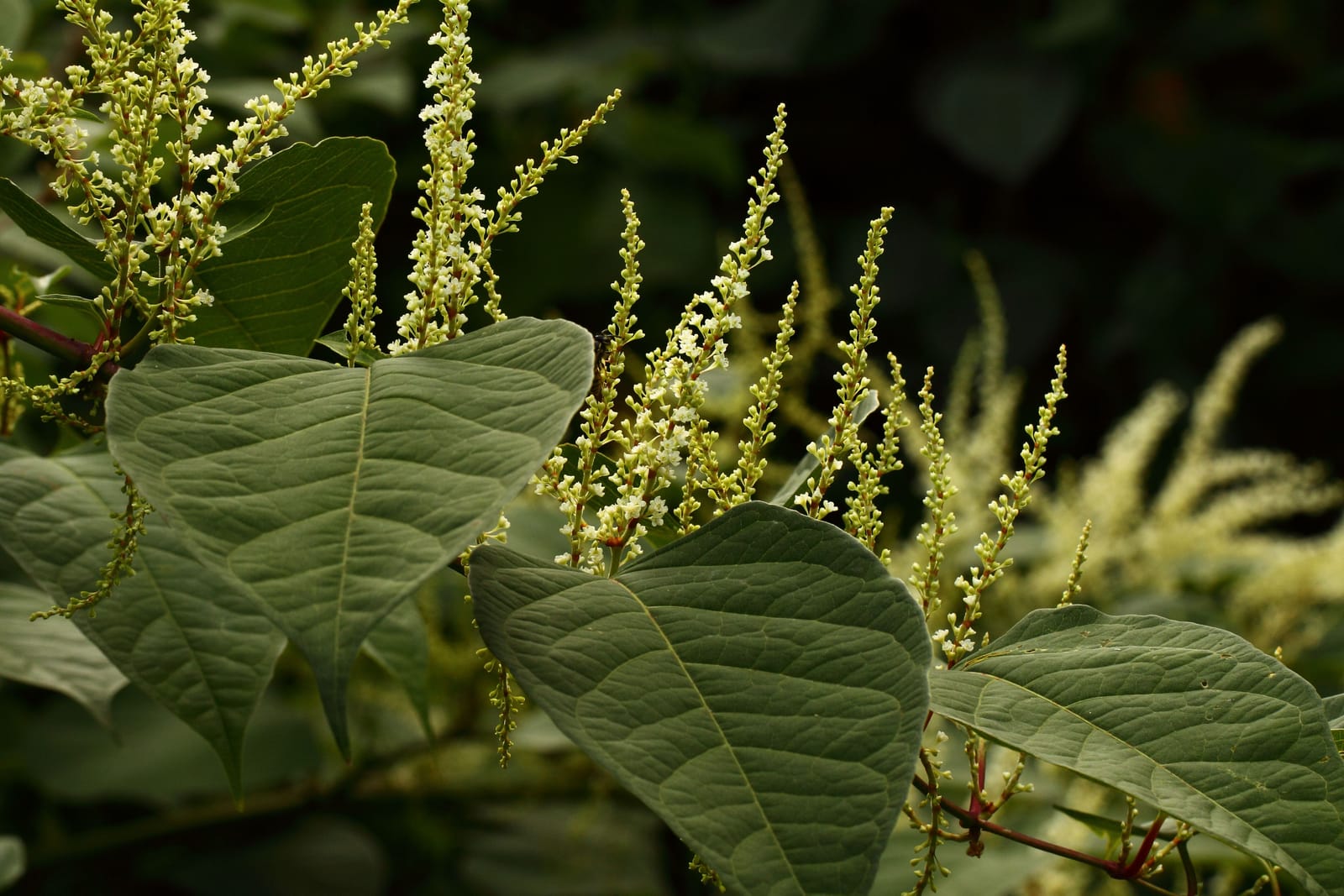
Look for bamboo-like, hollow stems with purple speckles that reach up to 3 metres in summer. Leaves are broad, shield-shaped (triangular to heart-shaped), 5–12 cm long, with a pointed tip and alternating on the stem.
In spring, expect red or purple shoots emerging from crown-like knobbly rhizome joints. In summer you’ll see dense canes and panicles of small creamy-white flowers from August to October. Rhizomes are thick, brownish, and orange inside; fragments as small as 0.7 g can regrow.
Check hard surfaces, boundary fences, garden waste piles, railway embankments and stream banks; knotweed exploits gaps in concrete and tarmac. Take clear photos of stems, leaves, flowers and an excavation of soil where possible to assist surveyors.
Risks of Misidentification
Many common plants resemble Japanese knotweed at certain stages — e.g. young bamboo, Russian vine, dock or common knotgrass. Misidentification can lead to unnecessary cost, failed mortgage surveys, or incorrect herbicide use that damages non-target species.
If you rely on photos alone, avoid cropped or close-up shots that omit growth habit and nearby features. An unqualified identification can delay conveyancing or trigger inappropriate DIY removal that breaches regulations and can spread rhizome fragments.
Use a certified knotweed surveyor for property reports lenders accept. Keep dated records and mark affected zones to prevent accidental spread during garden work or construction.
Prevalence Across Boroughs
Japanese Knotweed occurs across Greater London, with frequent reports in riverside boroughs and areas with older terraced housing. Look particularly in boroughs with transport corridors and recent redevelopment — waterways and rail corridors act as dispersal routes.
Inner-city gardens, backlands and void properties commonly host established stands, while younger shoots appear along canal towpaths and floodplains after bank disturbance. Local authority planning applications and environmental records often show clusters; check your borough council’s invasive species guidance for site-specific advice.
If you suspect Japanese knotweed on a property in London, document location with GPS or a postcode, then contact a specialist for an accepted survey and a tailored management plan.
Specialised Removal Methods at Gardner's Trees
Gardner’s Trees combines detailed site assessment, targeted herbicide practice, and careful mechanical removal to tackle Japanese knotweed while protecting your trees and neighbouring property. Each method aims to match the knotweed’s growth stage, root extent and the presence of desirable vegetation.
Assessment and Survey Process
You receive an initial on-site survey where technicians map knotweed stands, approximate rhizome reach and note proximity to trees, drains and buildings. Surveys include photographic records and a written plan stating recommended actions, timelines and estimated costs.
During the assessment, soil type, slope and access are recorded to determine best removal methods and machinery needs. If knotweed lies within root distance of mature trees, the team records tree species and root protection zones to avoid unnecessary harm.
Gardner’s Trees typically offers a follow-up monitoring schedule in the survey report. This covers how often they will revisit, what success metrics they use (shoot reduction, rhizome testing) and when they expect active treatment to finish.
Eco-Friendly Control Techniques
You are offered herbicide treatment options targeted at knotweed growth points while minimising impact on nearby plants and watercourses. Technicians use low-drift application methods, spot-spraying and stem injection where appropriate to reduce off-target exposure.
Timing matters: applications focus on late-summer growth when translocation to rhizomes is strongest. The team follows label directions and buffer-zone rules for water protection, and they document chemical products and quantities used for compliance and your records.
For sensitive sites, they prioritise non-chemical measures or combine reduced herbicide doses with physical control. They also provide advice on enhancing soil health and replanting with competitive species to reduce recolonisation risk.
Mechanical Eradication Approaches
When excavation is necessary, Gardner’s Trees uses controlled mechanical removal: sectional dig-outs of contaminated soil and rhizomes to a specified depth, with segregated storage for contaminated spoil. You receive a chain-of-custody record for removed material and confirmation of disposal at licensed waste facilities.
Stump grinding is adapted for knotweed crowns where removal above ground is required; grinders are used carefully to avoid spreading fragments. For inaccessible or steep sites, the team employs hand-held tools combined with protective sheeting to contain fragments.
Where excavation would damage trees or utilities, they may use root-barrier installation or repeated cutting and removal of shoots combined with monitored herbicide treatment. All mechanical work follows COSHH and waste regulations, and the team documents methods and disposal for your peace of mind.
Importance of Professional Intervention
Professional removal protects your legal position, property value and future use of the land. Expert teams document infestations, apply accredited treatments, and handle controlled-waste disposal to reduce risk of costly disputes and mortgage complications.
Legal Responsibilities of Property Owners
You must prevent Japanese knotweed from spreading from your land to neighbouring properties. Local authorities and courts can require remedial action and may issue fines or civil claims if you allow the plant to encroach.
Using a PCA‑accredited contractor or an equivalent specialist provides written surveys, treatment plans and waste transfer notes that demonstrate compliance. These documents matter when selling or when a lender requests evidence.
If knotweed has already moved off your site, you may be asked to fund or coordinate remediation. Professional intervention gives you clear records and legally defensible steps, reducing the risk of enforcement notices or liability for neighbouring property damage.
Impacts on Property Value
Lenders and buyers view knotweed as a quantifiable risk that can delay or block transactions. Surveyors will flag active stands in reports, and some lenders require a professional management plan or proof of successful treatment before approving a mortgage.
Unresolved infestations often reduce marketability and can lower offers. A documented removal programme from a recognised specialist helps restore buyer confidence and supports valuations closer to normal market levels.
You should keep treatment certificates and follow‑up survey reports to present to prospective buyers or mortgage providers; these can be decisive in securing finance and maintaining your sale price.
Prevention of Regrowth
Knotweed regenerates readily from tiny fragments of rhizome, so correct excavation, herbicide regimes or a combination approach is essential. Professionals map the stand, choose methods based on site access and nearby utilities, and monitor for at least three to five years to catch regrowth.
Effective prevention includes sealed wrap for excavated material, licensed disposal to landfill or in‑situ treatment with root barriers and staged herbicide applications. Regular aftercare checks and written monitoring schedules ensure you won’t face recurrence that undermines prior expenditure.
Engaging specialists reduces the chance of repeat infestations and documents the actions you took to protect your property long term.