[fusion_builder_container hundred_percent=”no” hundred_percent_height=”no” hundred_percent_height_scroll=”no” hundred_percent_height_center_content=”yes” equal_height_columns=”no” hide_on_mobile=”small-visibility,medium-visibility,large-visibility” status=”published” border_style=”solid” padding_top=”3%” padding_bottom=”6%” gradient_start_position=”0″ gradient_end_position=”100″ gradient_type=”linear” radial_direction=”center center” linear_angle=”180″ background_position=”center center” background_repeat=”no-repeat” fade=”no” background_parallax=”none” enable_mobile=”no” parallax_speed=”0.3″ background_blend_mode=”none” video_aspect_ratio=”16:9″ video_loop=”yes” video_mute=”yes” filter_hue=”0″ filter_saturation=”100″ filter_brightness=”100″ filter_contrast=”100″ filter_invert=”0″ filter_sepia=”0″ filter_opacity=”100″ filter_blur=”0″ filter_hue_hover=”0″ filter_saturation_hover=”100″ filter_brightness_hover=”100″ filter_contrast_hover=”100″ filter_invert_hover=”0″ filter_sepia_hover=”0″ filter_opacity_hover=”100″ filter_blur_hover=”0″ admin_label=”Blog Content & Sidebar” admin_toggled=”no” type=”flex”][fusion_builder_row][fusion_builder_column type=”1_1″ layout=”1_1″ spacing=”” center_content=”no” link=”” target=”_self” min_height=”” hide_on_mobile=”small-visibility,medium-visibility,large-visibility” class=”” id=”” hover_type=”none” border_color=”” border_style=”solid” border_position=”all” border_radius=”” box_shadow=”no” dimension_box_shadow=”” box_shadow_blur=”0″ box_shadow_spread=”0″ box_shadow_color=”” box_shadow_style=”” padding_top=”” padding_right=”” padding_bottom=”” padding_left=”” margin_top=”” margin_bottom=”” background_type=”single” gradient_start_color=”” gradient_end_color=”” gradient_start_position=”0″ gradient_end_position=”100″ gradient_type=”linear” radial_direction=”center center” linear_angle=”180″ background_color=”” background_image=”” background_image_id=”” background_position=”left top” background_repeat=”no-repeat” background_blend_mode=”none” animation_type=”fade” animation_direction=”left” animation_speed=”1.0″ animation_offset=”” filter_type=”regular” filter_hue=”0″ filter_saturation=”100″ filter_brightness=”100″ filter_contrast=”100″ filter_invert=”0″ filter_sepia=”0″ filter_opacity=”100″ filter_blur=”0″ filter_hue_hover=”0″ filter_saturation_hover=”100″ filter_brightness_hover=”100″ filter_contrast_hover=”100″ filter_invert_hover=”0″ filter_sepia_hover=”0″ filter_opacity_hover=”100″ filter_blur_hover=”0″ last=”true” element_content=”” first=”true” border_sizes_top=”0px” border_sizes_bottom=”0px” border_sizes_left=”0px” border_sizes_right=”0px” spacing_right=””][fusion_title title_type=”text” rotation_effect=”bounceIn” display_time=”1200″ highlight_effect=”circle” loop_animation=”off” highlight_width=”9″ highlight_top_margin=”0″ before_text=”” rotation_text=”” highlight_text=”” after_text=”” content_align=”left” size=”2″ font_size=”36px” animated_font_size=”” line_height=”” letter_spacing=”” text_color=”” animated_text_color=”” highlight_color=”” style_type=”default” sep_color=”” hide_on_mobile=”small-visibility,medium-visibility,large-visibility” class=”” id=”” dynamic_params=”eyJlbGVtZW50X2NvbnRlbnQiOnsiZGF0YSI6InBvc3RfdGl0bGUifX0=” margin_top=”40px” margin_top_mobile=”40px” margin_bottom=”20px” margin_bottom_mobile=”20px” margin_top_small=”40px” margin_bottom_small=”20px” /][fusion_imageframe image_id=”” max_width=”” style_type=”” blur=”” stylecolor=”” hover_type=”none” bordersize=”” bordercolor=”” borderradius=”” align=”none” lightbox=”no” gallery_id=”” lightbox_image=”” lightbox_image_id=”” alt=”” link=”” linktarget=”_self” animation_type=”” animation_direction=”left” animation_speed=”0.3″ animation_offset=”” hide_on_mobile=”small-visibility,medium-visibility,large-visibility” class=”” id=”” dynamic_params=”eyJlbGVtZW50X2NvbnRlbnQiOnsiZGF0YSI6InBvc3RfZmVhdHVyZWRfaW1hZ2UifX0=” /][/fusion_builder_column][fusion_builder_column type=”1_1″ layout=”1_1″ spacing=”” center_content=”no” link=”” target=”_self” min_height=”” hide_on_mobile=”small-visibility,medium-visibility,large-visibility” class=”” id=”” hover_type=”none” border_color=”” border_style=”solid” border_position=”all” box_shadow=”no” box_shadow_blur=”0″ box_shadow_spread=”0″ box_shadow_color=”” box_shadow_style=”” background_type=”single” gradient_start_position=”0″ gradient_end_position=”100″ gradient_type=”linear” radial_direction=”center center” linear_angle=”180″ background_color=”” background_image=”” background_image_id=”” background_position=”left top” background_repeat=”no-repeat” background_blend_mode=”none” animation_type=”fade” animation_direction=”up” animation_speed=”1.0″ animation_offset=”” filter_type=”regular” filter_hue=”0″ filter_saturation=”100″ filter_brightness=”100″ filter_contrast=”100″ filter_invert=”0″ filter_sepia=”0″ filter_opacity=”100″ filter_blur=”0″ filter_hue_hover=”0″ filter_saturation_hover=”100″ filter_brightness_hover=”100″ filter_contrast_hover=”100″ filter_invert_hover=”0″ filter_sepia_hover=”0″ filter_opacity_hover=”100″ filter_blur_hover=”0″ first=”true” last=”true” padding_top=”30px” border_sizes_top=”0px” border_sizes_bottom=”0px” border_sizes_left=”0px” border_sizes_right=”0px”][fusion_text columns=”” column_min_width=”” column_spacing=”” rule_style=”” rule_size=”” rule_color=”” hue=”” saturation=”” lightness=”” alpha=”” user_select=”” awb-switch-editor-focus=”” content_alignment_medium=”” content_alignment_small=”” content_alignment=”” hide_on_mobile=”small-visibility,medium-visibility,large-visibility” sticky_display=”normal,sticky” class=”” id=”” margin_top=”” margin_right=”” margin_bottom=”” margin_left=”” fusion_font_family_text_font=”” fusion_font_variant_text_font=”” font_size=”” line_height=”” letter_spacing=”” text_transform=”” text_color=”” animation_type=”” animation_direction=”left” animation_color=”” animation_speed=”0.3″ animation_delay=”0″ animation_offset=”” logics=””]As the leaves begin to turn, autumn is the perfect time to focus on tree care. With the coming colder months, your trees need some extra attention to stay healthy, safe, and beautiful. In this post, we’ll go over some essential autumn tree care tips, from pruning schedules to spotting diseases and preparing for seasonal storms. Let’s keep your landscape looking its best and prevent any unwanted surprises this season.
1. When and How to Prune in Autumn
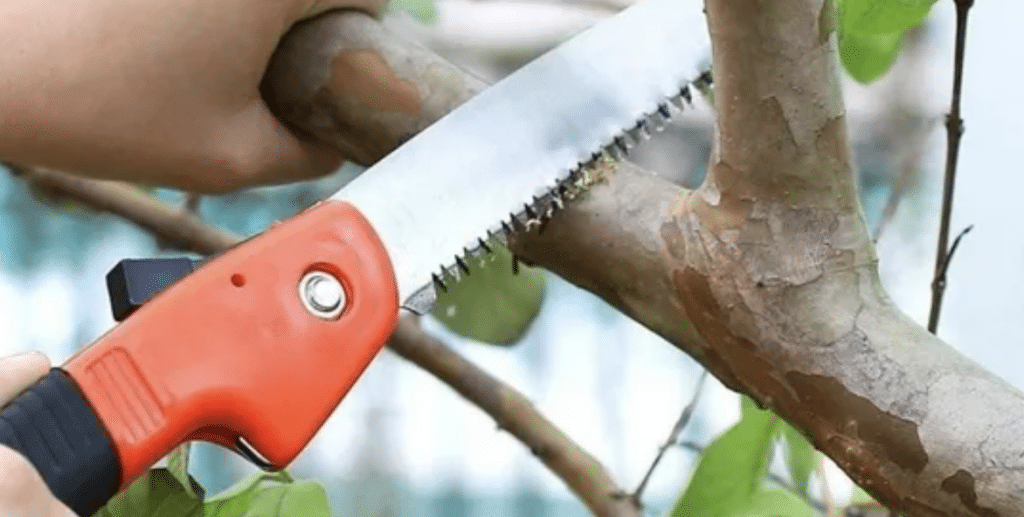
Prune for Health and Safety: Autumn is an ideal time to prune dead or weakened branches, as trees enter a dormant phase. Pruning can improve the structure of the tree and remove branches that could fall during winter storms.
Focus on Structural Pruning: Structural pruning in autumn strengthens young trees and prepares mature trees for the coming year. Removing unnecessary branches helps the tree direct more energy to stronger limbs, which leads to a healthier and more balanced tree structure.
Hire a Professional: Tree pruning can be dangerous and requires precision to avoid damaging the tree. Reach out to our team of certified tree surgeons for expert pruning to keep your landscape safe and beautiful all year round.
2. Watch for Early Signs of Tree Diseases
Look for Discolored or Wilting Leaves: Many common tree diseases, like anthracnose or Dutch elm disease, can start to show signs in autumn. Watch for leaves that show irregular coloring, droop, or fall earlier than usual. Check for Fungus Growth: Fungal infections like cankers or powdery mildew thrive in the cooler, damp conditions of autumn. Look for unusual growths or powdery textures on bark and leaves, especially after wet weather. Act Quickly: Identifying diseases early can make a significant difference. If you notice any of these signs, contact us to assess the tree’s health and take preventative measures.
3. Prepare Your Trees for Storms
Inspect for Weak or Damaged Branches: Storms can wreak havoc on trees with weakened branches. Assess trees for branches that might be damaged or at risk of falling. Reinforce Vulnerable Trees: For younger or recently transplanted trees, consider staking them for added support against high winds. Protect Valuable Trees: Mature trees or trees near property should receive special attention, as they’re more susceptible to storm damage. Reach out to our team to discuss measures like cabling and bracing for your most valuable trees.
4. Rake Up Fallen Leaves (and Reuse Them!)
Clear Fallen Leaves Regularly: While fallen leaves create a stunning autumn landscape, they can also attract fungi and pests. Make sure to rake leaves away from the base of your trees to avoid moisture buildup and disease. Compost Leaves for Fertilizer: Fallen leaves make excellent compost. Layer them into your compost bin, or use them as mulch around the base of your trees to add valuable nutrients to the soil. Avoid Piling Leaves Against Tree Trunks: If you use leaves as mulch, spread them around the tree but avoid piling them against the trunk. Too much moisture around the trunk can invite fungal growth.
5. Give Trees a Deep, Lasting Watering
Hydrate Before Winter: Even though it’s cooler, trees need hydration as they enter dormancy. A deep watering in autumn ensures they have enough moisture for the dry winter months. Water in the Morning: Watering in the morning allows the soil to absorb moisture without the risk of freezing at night. Mulch to Retain Moisture: Adding a layer of mulch around the tree base can help lock in moisture and protect roots from temperature fluctuations.
—
Autumn Tree Care FAQs
Q: Can I prune trees anytime in autumn?
Pruning should ideally be done in early to mid-autumn. Late-autumn pruning can leave trees vulnerable to freezing temperatures and reduce their resilience in winter.
Q: How can I tell if my tree has a disease?
Look for signs like discolored leaves, unusual growths on bark, and early leaf drop. You can contact our team to help identify potential issues and recommend treatment options.
Q: Should I fertilize trees in autumn?
Generally, we recommend fertilizing in spring. However, autumn fertilization might be beneficial for young or recently planted trees. Contact us to discuss your specific trees’ needs.
—
Keep Your Trees Healthy and Beautiful This Season
Autumn is a critical time for tree maintenance, and a little attention now can prevent larger issues down the road. Whether it’s seasonal pruning, disease prevention, or storm preparation, our professional tree surgeons are here to help. Contact us today for a consultation and ensure your trees are ready to weather the winter.[/fusion_text][/fusion_builder_column][/fusion_builder_row][/fusion_builder_container][fusion_global id=”58″]