
Category: General Maintenance

  • Land Clearance Services North London by Gardner’s Trees

    Land Clearance Services North London by Gardner’s Trees

    [fusion_builder_container hundred_percent=”no” hundred_percent_height=”no” hundred_percent_height_scroll=”no” hundred_percent_height_center_content=”yes” equal_height_columns=”no” hide_on_mobile=”small-visibility,medium-visibility,large-visibility” status=”published” border_style=”solid” padding_top=”3%” padding_bottom=”6%” gradient_start_position=”0″ gradient_end_position=”100″ gradient_type=”linear” radial_direction=”center center” linear_angle=”180″ background_position=”center center” background_repeat=”no-repeat” fade=”no” background_parallax=”none” enable_mobile=”no” parallax_speed=”0.3″ background_blend_mode=”none” video_aspect_ratio=”16:9″ video_loop=”yes” video_mute=”yes” filter_hue=”0″ filter_saturation=”100″ filter_brightness=”100″ filter_contrast=”100″ filter_invert=”0″ filter_sepia=”0″ filter_opacity=”100″ filter_blur=”0″ filter_hue_hover=”0″ filter_saturation_hover=”100″ filter_brightness_hover=”100″ filter_contrast_hover=”100″ filter_invert_hover=”0″ filter_sepia_hover=”0″ filter_opacity_hover=”100″ filter_blur_hover=”0″ admin_label=”Blog Content & Sidebar” admin_toggled=”no” type=”flex”][fusion_builder_row][fusion_builder_column type=”1_1″ layout=”1_1″ center_content=”no” target=”_self” hide_on_mobile=”small-visibility,medium-visibility,large-visibility” hover_type=”none” border_style=”solid” border_position=”all” box_shadow=”no” box_shadow_blur=”0″ box_shadow_spread=”0″ background_type=”single” gradient_start_position=”0″ gradient_end_position=”100″ gradient_type=”linear” radial_direction=”center center” linear_angle=”180″ background_position=”left top” background_repeat=”no-repeat” background_blend_mode=”none” animation_type=”fade” animation_direction=”left” animation_speed=”1.0″ filter_type=”regular” filter_hue=”0″ filter_saturation=”100″ filter_brightness=”100″ filter_contrast=”100″ filter_invert=”0″ filter_sepia=”0″ filter_opacity=”100″ filter_blur=”0″ filter_hue_hover=”0″ filter_saturation_hover=”100″ filter_brightness_hover=”100″ filter_contrast_hover=”100″ filter_invert_hover=”0″ filter_sepia_hover=”0″ filter_opacity_hover=”100″ filter_blur_hover=”0″ last=”true” element_content=”” first=”true” border_sizes_top=”0px” border_sizes_bottom=”0px” border_sizes_left=”0px” border_sizes_right=”0px” min_height=”” link=””][fusion_title title_type=”text” rotation_effect=”bounceIn” display_time=”1200″ highlight_effect=”circle” loop_animation=”off” highlight_width=”9″ highlight_top_margin=”0″ content_align=”left” size=”2″ font_size=”36px” style_type=”default” hide_on_mobile=”small-visibility,medium-visibility,large-visibility” dynamic_params=”eyJlbGVtZW50X2NvbnRlbnQiOnsiZGF0YSI6InBvc3RfdGl0bGUifX0=” margin_top=”40px” margin_top_mobile=”40px” margin_bottom=”20px” margin_bottom_mobile=”20px” margin_top_small=”40px” margin_bottom_small=”20px” /][fusion_imageframe hover_type=”none” align=”none” lightbox=”no” linktarget=”_self” animation_direction=”left” animation_speed=”0.3″ hide_on_mobile=”small-visibility,medium-visibility,large-visibility” dynamic_params=”eyJlbGVtZW50X2NvbnRlbnQiOnsiZGF0YSI6InBvc3RfZmVhdHVyZWRfaW1hZ2UifX0=” /][/fusion_builder_column][fusion_builder_column type=”1_1″ layout=”1_1″ center_content=”no” target=”_self” hide_on_mobile=”small-visibility,medium-visibility,large-visibility” hover_type=”none” border_style=”solid” border_position=”all” box_shadow=”no” box_shadow_blur=”0″ box_shadow_spread=”0″ background_type=”single” gradient_start_position=”0″ gradient_end_position=”100″ gradient_type=”linear” radial_direction=”center center” linear_angle=”180″ background_position=”left top” background_repeat=”no-repeat” background_blend_mode=”none” animation_type=”fade” animation_direction=”up” animation_speed=”1.0″ filter_type=”regular” filter_hue=”0″ filter_saturation=”100″ filter_brightness=”100″ filter_contrast=”100″ filter_invert=”0″ filter_sepia=”0″ filter_opacity=”100″ filter_blur=”0″ filter_hue_hover=”0″ filter_saturation_hover=”100″ filter_brightness_hover=”100″ filter_contrast_hover=”100″ filter_invert_hover=”0″ filter_sepia_hover=”0″ filter_opacity_hover=”100″ filter_blur_hover=”0″ first=”true” last=”true” padding_top=”30px” border_sizes_top=”0px” border_sizes_bottom=”0px” border_sizes_left=”0px” border_sizes_right=”0px” min_height=”” link=””][fusion_text columns=”” column_min_width=”” column_spacing=”” rule_style=”” rule_size=”” rule_color=”” hue=”” saturation=”” lightness=”” alpha=”” user_select=”” awb-switch-editor-focus=”” content_alignment_medium=”” content_alignment_small=”” content_alignment=”” hide_on_mobile=”small-visibility,medium-visibility,large-visibility” sticky_display=”normal,sticky” class=”” id=”” margin_top=”” margin_right=”” margin_bottom=”” margin_left=”” fusion_font_family_text_font=”” fusion_font_variant_text_font=”” font_size=”” line_height=”” letter_spacing=”” text_transform=”” text_color=”” animation_type=”” animation_direction=”left” animation_color=”” animation_speed=”0.3″ animation_delay=”0″ animation_offset=”” logics=””]

    Land Clearance Services North London

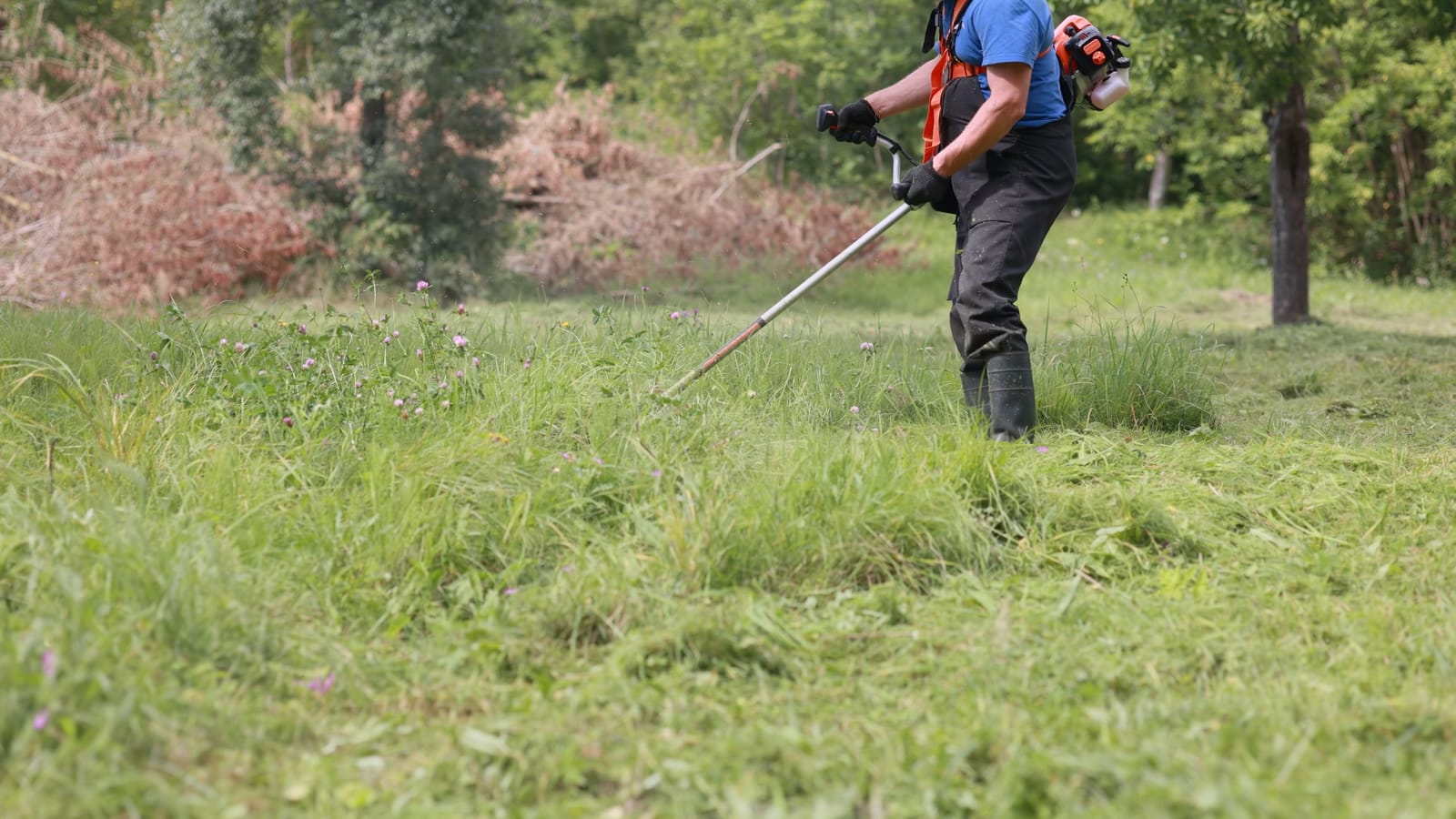
    Gardner’s Trees provides reliable, professional land clearance services across North London for homeowners, landlords, developers, builders, schools, estates, and commercial property owners. Whether you need to clear an overgrown garden, prepare a site for construction, remove unwanted trees and vegetation, or restore a neglected outdoor space, our experienced team can help you get the job done safely and efficiently.

    Professional Land Clearance in North London

    Land clearance is often the first step in making a site usable again. Over time, gardens, plots, boundaries, and commercial grounds can become difficult to manage. Brambles spread quickly, shrubs become dense, trees may become unsafe, and weeds can take over large areas. What starts as a small maintenance issue can soon become a major clearance project. At Gardner’s Trees, we have the skills, equipment, and practical knowledge needed to deal with clearance work of all sizes.

    Our land clearance services in North London cover a wide range of tasks. We can remove unwanted trees, cut back heavy vegetation, clear brambles and scrub, reduce or remove hedges, grind out tree stumps, remove shrubs, and dispose of green waste. We can also clear areas that have become inaccessible, helping you regain safe and practical use of the space. Every site is different, so we assess the area carefully before starting work and choose the most suitable approach for the job.

    Domestic Garden Clearance Services

    For domestic customers, our service is ideal for gardens that have become overgrown or difficult to maintain. You may have recently moved into a property with a neglected garden, need to clear space for landscaping, or want to prepare an area for fencing, turfing, planting, or a new garden design. We work carefully around existing structures, boundaries, plants, and access points, leaving the area neat, clear, and ready for the next stage.

    Commercial and Development Site Clearance

    For commercial clients and developers, Gardner’s Trees offers efficient site clearance support for larger projects. We understand that land often needs to be cleared before building work, surveys, landscaping, drainage, or access improvements can begin. Our team works in an organised and safety-conscious way, helping to keep your project moving. We can clear vegetation from development plots, commercial premises, rental properties, schools, public-facing grounds, and managed estates.

    Safe and Responsible Clearance Work

    Safety is central to every land clearance job we carry out. Dense vegetation can hide hazards such as uneven ground, sharp objects, unstable trees, damaged fencing, or old waste materials. Trees and large shrubs may also need controlled cutting to prevent damage to nearby buildings, roads, paths, or neighbouring properties. Our team uses professional equipment and safe working methods to reduce risk throughout the clearance process.

    We also understand the importance of responsible waste handling. Land clearance can produce a large amount of green waste, including branches, logs, hedge cuttings, brambles, leaves, roots, and general vegetation. Gardner’s Trees can remove waste from site and ensure it is dealt with appropriately, saving you time, effort, and multiple trips to dispose of it yourself. Once the work is complete, we aim to leave your site clear, tidy, and manageable.

    Local North London Land Clearance Experts

    Choosing a local North London land clearance company means you benefit from a team that understands the area, the property types, and the common challenges found in local gardens and sites. Many North London properties have restricted access, shared boundaries, mature trees, tight spaces, or nearby neighbours. We take these factors into account and plan our work carefully to minimise disruption wherever possible.

    Gardner’s Trees is committed to providing a dependable service from start to finish. We communicate clearly, turn up as arranged, work efficiently, and treat every site with respect. Whether you need a small garden cleared or a larger plot prepared for future use, we bring the same level of care and professionalism to every job.

    Contact Gardner’s Trees for Land Clearance in North London

    If you are looking for land clearance services in North London, Gardner’s Trees is ready to help. Contact our friendly team today to discuss your requirements, arrange a site visit, and receive a clear quote. We will assess the work needed, explain the best approach, and help you turn an overgrown or unusable area into a clean, safe, and practical space.

    FAQ

    What does your land clearance service include?

    Our land clearance service can include tree and shrub removal, bramble clearance, scrub clearance, hedge reduction, stump grinding, vegetation cutting, and green waste removal. The exact work depends on the condition of your site and what you need the space used for next.

    Do you offer land clearance for domestic gardens?

    Yes, we clear domestic gardens across North London. This is ideal if your garden has become overgrown, you have moved into a property with neglected outdoor space, or you want to prepare your garden for landscaping, fencing, turfing, or planting.

    Can you clear land for building or development work?

    Yes, Gardner’s Trees can clear vegetation from development plots and commercial sites before building, landscaping, drainage, surveys, or access work begins. We work safely and efficiently to help prepare the area for the next stage of your project.

    Do you remove green waste after the clearance?

    Yes, we can remove green waste from the site, including branches, logs, hedge cuttings, brambles, shrubs, roots, and general vegetation. We aim to leave the area clear, tidy, and ready to use.

    Do you work across all areas of North London?

    Yes, Gardner’s Trees provides land clearance services across North London. We work with homeowners, landlords, property managers, commercial clients, schools, estates, and developers throughout the area.

    [/fusion_text][/fusion_builder_column][/fusion_builder_row][/fusion_builder_container][fusion_global id=”58″]

  • Tree Surgeon North London

    Tree Surgeon North London

    [fusion_builder_container hundred_percent=”no” hundred_percent_height=”no” hundred_percent_height_scroll=”no” hundred_percent_height_center_content=”yes” equal_height_columns=”no” hide_on_mobile=”small-visibility,medium-visibility,large-visibility” status=”published” border_style=”solid” padding_top=”3%” padding_bottom=”6%” gradient_start_position=”0″ gradient_end_position=”100″ gradient_type=”linear” radial_direction=”center center” linear_angle=”180″ background_position=”center center” background_repeat=”no-repeat” fade=”no” background_parallax=”none” enable_mobile=”no” parallax_speed=”0.3″ background_blend_mode=”none” video_aspect_ratio=”16:9″ video_loop=”yes” video_mute=”yes” filter_hue=”0″ filter_saturation=”100″ filter_brightness=”100″ filter_contrast=”100″ filter_invert=”0″ filter_sepia=”0″ filter_opacity=”100″ filter_blur=”0″ filter_hue_hover=”0″ filter_saturation_hover=”100″ filter_brightness_hover=”100″ filter_contrast_hover=”100″ filter_invert_hover=”0″ filter_sepia_hover=”0″ filter_opacity_hover=”100″ filter_blur_hover=”0″ admin_label=”Blog Content & Sidebar” admin_toggled=”no” type=”flex”][fusion_builder_row][fusion_builder_column type=”1_1″ layout=”1_1″ center_content=”no” target=”_self” hide_on_mobile=”small-visibility,medium-visibility,large-visibility” hover_type=”none” border_style=”solid” border_position=”all” box_shadow=”no” box_shadow_blur=”0″ box_shadow_spread=”0″ background_type=”single” gradient_start_position=”0″ gradient_end_position=”100″ gradient_type=”linear” radial_direction=”center center” linear_angle=”180″ background_position=”left top” background_repeat=”no-repeat” background_blend_mode=”none” animation_type=”fade” animation_direction=”left” animation_speed=”1.0″ filter_type=”regular” filter_hue=”0″ filter_saturation=”100″ filter_brightness=”100″ filter_contrast=”100″ filter_invert=”0″ filter_sepia=”0″ filter_opacity=”100″ filter_blur=”0″ filter_hue_hover=”0″ filter_saturation_hover=”100″ filter_brightness_hover=”100″ filter_contrast_hover=”100″ filter_invert_hover=”0″ filter_sepia_hover=”0″ filter_opacity_hover=”100″ filter_blur_hover=”0″ last=”true” element_content=”” first=”true” border_sizes_top=”0px” border_sizes_bottom=”0px” border_sizes_left=”0px” border_sizes_right=”0px” min_height=”” link=””][fusion_title title_type=”text” rotation_effect=”bounceIn” display_time=”1200″ highlight_effect=”circle” loop_animation=”off” highlight_width=”9″ highlight_top_margin=”0″ content_align=”left” size=”2″ font_size=”36px” style_type=”default” hide_on_mobile=”small-visibility,medium-visibility,large-visibility” dynamic_params=”eyJlbGVtZW50X2NvbnRlbnQiOnsiZGF0YSI6InBvc3RfdGl0bGUifX0=” margin_top=”40px” margin_top_mobile=”40px” margin_bottom=”20px” margin_bottom_mobile=”20px” margin_top_small=”40px” margin_bottom_small=”20px” /][fusion_imageframe hover_type=”none” align=”none” lightbox=”no” linktarget=”_self” animation_direction=”left” animation_speed=”0.3″ hide_on_mobile=”small-visibility,medium-visibility,large-visibility” dynamic_params=”eyJlbGVtZW50X2NvbnRlbnQiOnsiZGF0YSI6InBvc3RfZmVhdHVyZWRfaW1hZ2UifX0=” /][/fusion_builder_column][fusion_builder_column type=”1_1″ layout=”1_1″ center_content=”no” target=”_self” hide_on_mobile=”small-visibility,medium-visibility,large-visibility” hover_type=”none” border_style=”solid” border_position=”all” box_shadow=”no” box_shadow_blur=”0″ box_shadow_spread=”0″ background_type=”single” gradient_start_position=”0″ gradient_end_position=”100″ gradient_type=”linear” radial_direction=”center center” linear_angle=”180″ background_position=”left top” background_repeat=”no-repeat” background_blend_mode=”none” animation_type=”fade” animation_direction=”up” animation_speed=”1.0″ filter_type=”regular” filter_hue=”0″ filter_saturation=”100″ filter_brightness=”100″ filter_contrast=”100″ filter_invert=”0″ filter_sepia=”0″ filter_opacity=”100″ filter_blur=”0″ filter_hue_hover=”0″ filter_saturation_hover=”100″ filter_brightness_hover=”100″ filter_contrast_hover=”100″ filter_invert_hover=”0″ filter_sepia_hover=”0″ filter_opacity_hover=”100″ filter_blur_hover=”0″ first=”true” last=”true” padding_top=”30px” border_sizes_top=”0px” border_sizes_bottom=”0px” border_sizes_left=”0px” border_sizes_right=”0px” min_height=”” link=””][fusion_text columns=”” column_min_width=”” column_spacing=”” rule_style=”” rule_size=”” rule_color=”” hue=”” saturation=”” lightness=”” alpha=”” user_select=”” awb-switch-editor-focus=”” content_alignment_medium=”” content_alignment_small=”” content_alignment=”” hide_on_mobile=”small-visibility,medium-visibility,large-visibility” sticky_display=”normal,sticky” class=”” id=”” margin_top=”” margin_right=”” margin_bottom=”” margin_left=”” fusion_font_family_text_font=”” fusion_font_variant_text_font=”” font_size=”” line_height=”” letter_spacing=”” text_transform=”” text_color=”” animation_type=”” animation_direction=”left” animation_color=”” animation_speed=”0.3″ animation_delay=”0″ animation_offset=”” logics=””]

    Tree Surgeon North London with Gardner’s Trees

    If you need professional tree care in North London, Gardner’s Trees offers skilled arboriculture services you can rely on for pruning, removals, stump grinding and hedge maintenance. You get qualified, local tree surgeons who prioritise safety, tree health and clear communication from assessment to completion.

    Explore how their expertise, certifications and experience across North London neighbourhoods mean faster responses, accurate quotes and minimal disruption to your property. Expect practical advice on maintenance schedules, risk reduction and cost-effective solutions tailored to your garden or site.

    Comprehensive Tree Care Services

    Gardner’s Trees provides targeted care that preserves tree health, manages risk and restores garden access. You can expect trained crews, insured work, and clear quotes for each specific job.

    Crown Reduction and Thinning

    Crown reduction lowers the height and spread of a tree to protect buildings, utility lines and sightlines. You will receive an assessment of the tree’s structure and health before any cuts. Technicians make measured reductions at appropriate growth points to maintain natural form and reduce wind sail, rather than indiscriminate topping.

    Thinning removes selected branches to increase light penetration and air flow through the crown. You will benefit from improved health, fewer storm-damaged limbs and reduced weight on major limbs. Work follows British Standards (BS 3998) pruning principles and uses rigging where needed to protect turf, paving and garden features.

    Key actions they take:

    • Detailed inspection and photographed condition report.
    • Precision pruning cuts to encourage safe regrowth.
    • Waste removal and chip or haul-away options you can choose.

    Tree Removal Solutions

    Gardner’s Trees offers full removals for dead, diseased or dangerous trees and for those that obstruct development plans. You will get a site-specific plan covering access, rigging, and protection for buildings and neighbouring properties. Crews use cranes or sectional dismantling when space is restricted to avoid damage.

    They prioritise safety with certified arborists, trained climbers and appropriate plant: chainsaws, harnesses, chipper and slings. You will receive a clear timeline and a legally required felling licence check where species and size need permissions. Options for timber reuse or firewood can be arranged if you want to retain material from the tree.

    Stump Grinding and Removal

    Stump grinding removes the visible stump to below ground level so you can relandscape or replant without obstruction. You will be offered a choice of grinding depth—usually 100–300 mm below ground—to suit new lawn, patio or planting plans. Machines range from compact grinders for tight gardens to larger units for deep grinding.

    If full removal is required, the team can excavate and remove root systems, though this is more invasive and may require ground reinstatement. You will receive a post-job clean-up and options to fill the hole with topsoil or leave woodchip as mulch. All work is carried out with cleared permits and safe traffic management where needed.

    Expertise and Qualifications of Gardner’s Trees

    You can expect qualified arborists, strict safety procedures, and an environmentally aware approach that aligns with local regulations. The team focuses on verifiable certifications, documented safety practices, and methods that protect trees and wildlife.

    Certified Arborists and Skilled Teams

    Gardner’s Trees employs arborists with recognised qualifications such as City & Guilds, NPTC tickets, and industry-specific training in tree climbing and aerial rescue. You will often see operatives who hold professional memberships or certificates that demonstrate competence in pruning, tree felling, stump grinding and tree surveys.

    The company structures work across multi-person teams for larger jobs and specialist climbers for delicate pruning. That means you get a named lead operative on-site, evidence of training records if you ask, and experience on domestic and commercial sites in Greater London and Hertfordshire.

    Skills include using industry-standard chainsaws, winching systems and MEWPs where appropriate. You can request confirmation of insurance and qualifications before work starts to ensure compliance with your property and project requirements.

    Health and Safety Standards

    Gardner’s Trees follows formal risk assessment procedures and method statements tailored to each job. You should expect a site-specific plan covering access, exclusion zones, traffic management and emergency procedures.

    Operatives wear PPE and use up-to-date safety equipment: harnesses, helmets, visors, and certified ropes. For urban jobs, the team plans for public safety around pavements, roads and nearby buildings to minimise disruption and liability.

    The company maintains public liability and employer’s liability insurance and keeps equipment serviced to manufacturers’ standards. You can ask for copies of risk assessments and insurance certificates before the first visit.

    Environmental Responsibility

    Gardner’s Trees applies practices that reduce harm to the local ecology and support tree health. They prioritise targeted pruning over unnecessary felling and follow best practice for wound care and crown management to reduce disease risk.

    You will find services such as habitat-sensitive removals, careful handling of nesting birds in season, and on-site separation of arisings for composting or recycling. Where removals are unavoidable, the team can advise on replacements, replanting plans and species selection suited to local conditions.

    Waste management follows legal requirements for disposal and recycling, and the company works within local council regulations and conservation guidelines. You can request details of their environmental policy and examples of recent projects that demonstrate these practices.

    Service Areas Across North London

    Gardner’s Trees operates throughout North London, serving residential streets, communal gardens and commercial sites. You can expect insured, qualified teams who handle pruning, removals and stump work while complying with local council requirements.

    Residential Tree Maintenance

    You receive tailored maintenance for front gardens, rear yards and communal courtyards in boroughs such as Islington, Camden and Barnet. Services include crown reduction, formative pruning, pollarding where required, and seasonal clearance to keep drives and pathways safe.

    Gardner’s Trees uses NPTC‑qualified arborists and modern kit to minimise disruption to your property. They provide written quotes, site risk assessments and advice on protected species or tree preservation orders that may affect your property.

    Typical small‑scale jobs covered:

    • Routine pruning and crown lifts
    • Stump grinding and small tree removals
    • Hedge trimming and seasonal leaf clearance

    You keep access routes clear and receive aftercare guidance to help newly pruned or planted trees re-establish.

    Commercial and Municipal Contracts

    For businesses, housing associations and local councils, Gardner’s Trees offers scheduled maintenance contracts and one-off works across parks, school grounds and roadside verges. They manage risk assessments, traffic management and waste removal to meet public liability and health‑and‑safety standards.

    Contracts commonly include tree surveys, emergency storm response, large‑tree felling and root mitigation near utilities. Teams coordinate with estate managers or council officers to obtain permits and to follow tree preservation order conditions.

    Service features for commercial clients:

    • Multi‑site scheduling and centralised invoicing
    • Certified operatives and £10m public liability cover
    • Detailed condition reports and compliance documentation

    You get a single point of contact for site planning, seasonal works and urgent call‑outs.

    [/fusion_text][/fusion_builder_column][/fusion_builder_row][/fusion_builder_container][fusion_global id=”58″]
  • Japanese Knotweed Removal London with Gardner’s Trees

    Japanese Knotweed Removal London with Gardner’s Trees

    [fusion_builder_container hundred_percent=”no” hundred_percent_height=”no” hundred_percent_height_scroll=”no” hundred_percent_height_center_content=”yes” equal_height_columns=”no” hide_on_mobile=”small-visibility,medium-visibility,large-visibility” status=”published” border_style=”solid” padding_top=”3%” padding_bottom=”6%” gradient_start_position=”0″ gradient_end_position=”100″ gradient_type=”linear” radial_direction=”center center” linear_angle=”180″ background_position=”center center” background_repeat=”no-repeat” fade=”no” background_parallax=”none” enable_mobile=”no” parallax_speed=”0.3″ background_blend_mode=”none” video_aspect_ratio=”16:9″ video_loop=”yes” video_mute=”yes” filter_hue=”0″ filter_saturation=”100″ filter_brightness=”100″ filter_contrast=”100″ filter_invert=”0″ filter_sepia=”0″ filter_opacity=”100″ filter_blur=”0″ filter_hue_hover=”0″ filter_saturation_hover=”100″ filter_brightness_hover=”100″ filter_contrast_hover=”100″ filter_invert_hover=”0″ filter_sepia_hover=”0″ filter_opacity_hover=”100″ filter_blur_hover=”0″ admin_label=”Blog Content & Sidebar” admin_toggled=”no” type=”flex”][fusion_builder_row][fusion_builder_column type=”1_1″ layout=”1_1″ center_content=”no” target=”_self” hide_on_mobile=”small-visibility,medium-visibility,large-visibility” hover_type=”none” border_style=”solid” border_position=”all” box_shadow=”no” box_shadow_blur=”0″ box_shadow_spread=”0″ background_type=”single” gradient_start_position=”0″ gradient_end_position=”100″ gradient_type=”linear” radial_direction=”center center” linear_angle=”180″ background_position=”left top” background_repeat=”no-repeat” background_blend_mode=”none” animation_type=”fade” animation_direction=”left” animation_speed=”1.0″ filter_type=”regular” filter_hue=”0″ filter_saturation=”100″ filter_brightness=”100″ filter_contrast=”100″ filter_invert=”0″ filter_sepia=”0″ filter_opacity=”100″ filter_blur=”0″ filter_hue_hover=”0″ filter_saturation_hover=”100″ filter_brightness_hover=”100″ filter_contrast_hover=”100″ filter_invert_hover=”0″ filter_sepia_hover=”0″ filter_opacity_hover=”100″ filter_blur_hover=”0″ last=”true” element_content=”” first=”true” border_sizes_top=”0px” border_sizes_bottom=”0px” border_sizes_left=”0px” border_sizes_right=”0px” min_height=”” link=””][fusion_title title_type=”text” rotation_effect=”bounceIn” display_time=”1200″ highlight_effect=”circle” loop_animation=”off” highlight_width=”9″ highlight_top_margin=”0″ content_align=”left” size=”2″ font_size=”36px” style_type=”default” hide_on_mobile=”small-visibility,medium-visibility,large-visibility” dynamic_params=”eyJlbGVtZW50X2NvbnRlbnQiOnsiZGF0YSI6InBvc3RfdGl0bGUifX0=” margin_top=”40px” margin_top_mobile=”40px” margin_bottom=”20px” margin_bottom_mobile=”20px” margin_top_small=”40px” margin_bottom_small=”20px” /][fusion_imageframe hover_type=”none” align=”none” lightbox=”no” linktarget=”_self” animation_direction=”left” animation_speed=”0.3″ hide_on_mobile=”small-visibility,medium-visibility,large-visibility” dynamic_params=”eyJlbGVtZW50X2NvbnRlbnQiOnsiZGF0YSI6InBvc3RfZmVhdHVyZWRfaW1hZ2UifX0=” /][/fusion_builder_column][fusion_builder_column type=”1_1″ layout=”1_1″ center_content=”no” target=”_self” hide_on_mobile=”small-visibility,medium-visibility,large-visibility” hover_type=”none” border_style=”solid” border_position=”all” box_shadow=”no” box_shadow_blur=”0″ box_shadow_spread=”0″ background_type=”single” gradient_start_position=”0″ gradient_end_position=”100″ gradient_type=”linear” radial_direction=”center center” linear_angle=”180″ background_position=”left top” background_repeat=”no-repeat” background_blend_mode=”none” animation_type=”fade” animation_direction=”up” animation_speed=”1.0″ filter_type=”regular” filter_hue=”0″ filter_saturation=”100″ filter_brightness=”100″ filter_contrast=”100″ filter_invert=”0″ filter_sepia=”0″ filter_opacity=”100″ filter_blur=”0″ filter_hue_hover=”0″ filter_saturation_hover=”100″ filter_brightness_hover=”100″ filter_contrast_hover=”100″ filter_invert_hover=”0″ filter_sepia_hover=”0″ filter_opacity_hover=”100″ filter_blur_hover=”0″ first=”true” last=”true” padding_top=”30px” border_sizes_top=”0px” border_sizes_bottom=”0px” border_sizes_left=”0px” border_sizes_right=”0px” min_height=”” link=””][fusion_text columns=”” column_min_width=”” column_spacing=”” rule_style=”” rule_size=”” rule_color=”” hue=”” saturation=”” lightness=”” alpha=”” user_select=”” awb-switch-editor-focus=”” content_alignment_medium=”” content_alignment_small=”” content_alignment=”” hide_on_mobile=”small-visibility,medium-visibility,large-visibility” sticky_display=”normal,sticky” class=”” id=”” margin_top=”” margin_right=”” margin_bottom=”” margin_left=”” fusion_font_family_text_font=”” fusion_font_variant_text_font=”” font_size=”” line_height=”” letter_spacing=”” text_transform=”” text_color=”” animation_type=”” animation_direction=”left” animation_color=”” animation_speed=”0.3″ animation_delay=”0″ animation_offset=”” logics=””]

    You need Japanese knotweed removed quickly and legally, and Gardner’s Trees offers focused, professional solutions across London to protect your property and plans. They combine accurate identification with proven removal methods and compliant waste handling so you can resolve Japanese knotweed issues without risking mortgages, development delays or enforcement action.

    Discover how to spot knotweed on your land, why DIY approaches often fail, and how Gardner’s Trees tailors herbicidal and excavation options to your situation and site constraints. Expect clear guidance on surveys, treatment timelines and when to call in a certified specialist to safeguard property value and progress.

    Identifying Japanese Knotweed in London

    Japanese Knotweed shows distinctive growth patterns, leaf shapes and seasonal changes you can check visually and photograph for records. Accurate identification matters for legal, property and treatment steps.

    Common Signs of Infestation

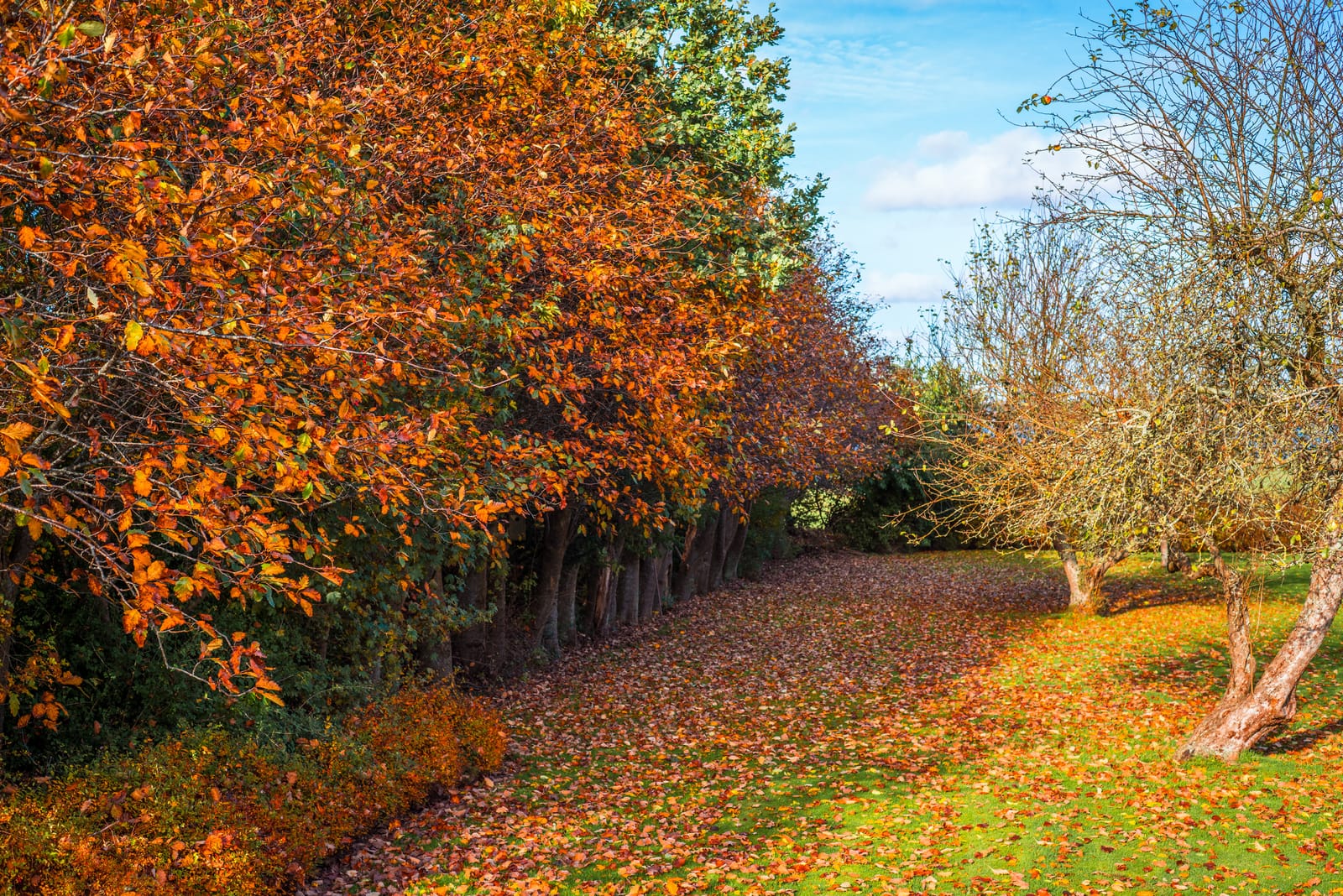
    Look for bamboo-like, hollow stems with purple speckles that reach up to 3 metres in summer. Leaves are broad, shield-shaped (triangular to heart-shaped), 5–12 cm long, with a pointed tip and alternating on the stem.

    In spring, expect red or purple shoots emerging from crown-like knobbly rhizome joints. In summer you’ll see dense canes and panicles of small creamy-white flowers from August to October. Rhizomes are thick, brownish, and orange inside; fragments as small as 0.7 g can regrow.

    Check hard surfaces, boundary fences, garden waste piles, railway embankments and stream banks; knotweed exploits gaps in concrete and tarmac. Take clear photos of stems, leaves, flowers and an excavation of soil where possible to assist surveyors.

    Risks of Misidentification

    Many common plants resemble Japanese knotweed at certain stages — e.g. young bamboo, Russian vine, dock or common knotgrass. Misidentification can lead to unnecessary cost, failed mortgage surveys, or incorrect herbicide use that damages non-target species.

    If you rely on photos alone, avoid cropped or close-up shots that omit growth habit and nearby features. An unqualified identification can delay conveyancing or trigger inappropriate DIY removal that breaches regulations and can spread rhizome fragments.

    Use a certified knotweed surveyor for property reports lenders accept. Keep dated records and mark affected zones to prevent accidental spread during garden work or construction.

    Prevalence Across Boroughs

    Japanese Knotweed occurs across Greater London, with frequent reports in riverside boroughs and areas with older terraced housing. Look particularly in boroughs with transport corridors and recent redevelopment — waterways and rail corridors act as dispersal routes.

    Inner-city gardens, backlands and void properties commonly host established stands, while younger shoots appear along canal towpaths and floodplains after bank disturbance. Local authority planning applications and environmental records often show clusters; check your borough council’s invasive species guidance for site-specific advice.

    If you suspect Japanese knotweed on a property in London, document location with GPS or a postcode, then contact a specialist for an accepted survey and a tailored management plan.

    Specialised Removal Methods at Gardner’s Trees

    Gardner’s Trees combines detailed site assessment, targeted herbicide practice, and careful mechanical removal to tackle Japanese knotweed while protecting your trees and neighbouring property. Each method aims to match the knotweed’s growth stage, root extent and the presence of desirable vegetation.

    Assessment and Survey Process

    You receive an initial on-site survey where technicians map knotweed stands, approximate rhizome reach and note proximity to trees, drains and buildings. Surveys include photographic records and a written plan stating recommended actions, timelines and estimated costs.

    During the assessment, soil type, slope and access are recorded to determine best removal methods and machinery needs. If knotweed lies within root distance of mature trees, the team records tree species and root protection zones to avoid unnecessary harm.

    Gardner’s Trees typically offers a follow-up monitoring schedule in the survey report. This covers how often they will revisit, what success metrics they use (shoot reduction, rhizome testing) and when they expect active treatment to finish.

    Eco-Friendly Control Techniques

    You are offered herbicide treatment options targeted at knotweed growth points while minimising impact on nearby plants and watercourses. Technicians use low-drift application methods, spot-spraying and stem injection where appropriate to reduce off-target exposure.

    Timing matters: applications focus on late-summer growth when translocation to rhizomes is strongest. The team follows label directions and buffer-zone rules for water protection, and they document chemical products and quantities used for compliance and your records.

    For sensitive sites, they prioritise non-chemical measures or combine reduced herbicide doses with physical control. They also provide advice on enhancing soil health and replanting with competitive species to reduce recolonisation risk.

    Mechanical Eradication Approaches

    When excavation is necessary, Gardner’s Trees uses controlled mechanical removal: sectional dig-outs of contaminated soil and rhizomes to a specified depth, with segregated storage for contaminated spoil. You receive a chain-of-custody record for removed material and confirmation of disposal at licensed waste facilities.

    Stump grinding is adapted for knotweed crowns where removal above ground is required; grinders are used carefully to avoid spreading fragments. For inaccessible or steep sites, the team employs hand-held tools combined with protective sheeting to contain fragments.

    Where excavation would damage trees or utilities, they may use root-barrier installation or repeated cutting and removal of shoots combined with monitored herbicide treatment. All mechanical work follows COSHH and waste regulations, and the team documents methods and disposal for your peace of mind.

    Importance of Professional Intervention

    Professional removal protects your legal position, property value and future use of the land. Expert teams document infestations, apply accredited treatments, and handle controlled-waste disposal to reduce risk of costly disputes and mortgage complications.

    Legal Responsibilities of Property Owners

    You must prevent Japanese knotweed from spreading from your land to neighbouring properties. Local authorities and courts can require remedial action and may issue fines or civil claims if you allow the plant to encroach.

    Using a PCA‑accredited contractor or an equivalent specialist provides written surveys, treatment plans and waste transfer notes that demonstrate compliance. These documents matter when selling or when a lender requests evidence.

    If knotweed has already moved off your site, you may be asked to fund or coordinate remediation. Professional intervention gives you clear records and legally defensible steps, reducing the risk of enforcement notices or liability for neighbouring property damage.

    Impacts on Property Value

    Lenders and buyers view knotweed as a quantifiable risk that can delay or block transactions. Surveyors will flag active stands in reports, and some lenders require a professional management plan or proof of successful treatment before approving a mortgage.

    Unresolved infestations often reduce marketability and can lower offers. A documented removal programme from a recognised specialist helps restore buyer confidence and supports valuations closer to normal market levels.

    You should keep treatment certificates and follow‑up survey reports to present to prospective buyers or mortgage providers; these can be decisive in securing finance and maintaining your sale price.

    Prevention of Regrowth

    Knotweed regenerates readily from tiny fragments of rhizome, so correct excavation, herbicide regimes or a combination approach is essential. Professionals map the stand, choose methods based on site access and nearby utilities, and monitor for at least three to five years to catch regrowth.

    Effective prevention includes sealed wrap for excavated material, licensed disposal to landfill or in‑situ treatment with root barriers and staged herbicide applications. Regular aftercare checks and written monitoring schedules ensure you won’t face recurrence that undermines prior expenditure.

    Engaging specialists reduces the chance of repeat infestations and documents the actions you took to protect your property long term.

    [/fusion_text][/fusion_builder_column][/fusion_builder_row][/fusion_builder_container][fusion_global id=”58″]
  • Tree Surgeons Essex

    Tree Surgeons Essex

    [fusion_builder_container hundred_percent=”no” hundred_percent_height=”no” hundred_percent_height_scroll=”no” hundred_percent_height_center_content=”yes” equal_height_columns=”no” hide_on_mobile=”small-visibility,medium-visibility,large-visibility” status=”published” border_style=”solid” padding_top=”3%” padding_bottom=”6%” gradient_start_position=”0″ gradient_end_position=”100″ gradient_type=”linear” radial_direction=”center center” linear_angle=”180″ background_position=”center center” background_repeat=”no-repeat” fade=”no” background_parallax=”none” enable_mobile=”no” parallax_speed=”0.3″ background_blend_mode=”none” video_aspect_ratio=”16:9″ video_loop=”yes” video_mute=”yes” filter_hue=”0″ filter_saturation=”100″ filter_brightness=”100″ filter_contrast=”100″ filter_invert=”0″ filter_sepia=”0″ filter_opacity=”100″ filter_blur=”0″ filter_hue_hover=”0″ filter_saturation_hover=”100″ filter_brightness_hover=”100″ filter_contrast_hover=”100″ filter_invert_hover=”0″ filter_sepia_hover=”0″ filter_opacity_hover=”100″ filter_blur_hover=”0″ admin_label=”Blog Content & Sidebar” admin_toggled=”no” type=”flex”][fusion_builder_row][fusion_builder_column type=”1_1″ layout=”1_1″ center_content=”no” target=”_self” hide_on_mobile=”small-visibility,medium-visibility,large-visibility” hover_type=”none” border_style=”solid” border_position=”all” box_shadow=”no” box_shadow_blur=”0″ box_shadow_spread=”0″ background_type=”single” gradient_start_position=”0″ gradient_end_position=”100″ gradient_type=”linear” radial_direction=”center center” linear_angle=”180″ background_position=”left top” background_repeat=”no-repeat” background_blend_mode=”none” animation_type=”fade” animation_direction=”left” animation_speed=”1.0″ filter_type=”regular” filter_hue=”0″ filter_saturation=”100″ filter_brightness=”100″ filter_contrast=”100″ filter_invert=”0″ filter_sepia=”0″ filter_opacity=”100″ filter_blur=”0″ filter_hue_hover=”0″ filter_saturation_hover=”100″ filter_brightness_hover=”100″ filter_contrast_hover=”100″ filter_invert_hover=”0″ filter_sepia_hover=”0″ filter_opacity_hover=”100″ filter_blur_hover=”0″ last=”true” element_content=”” first=”true” border_sizes_top=”0px” border_sizes_bottom=”0px” border_sizes_left=”0px” border_sizes_right=”0px” min_height=”” link=””][fusion_title title_type=”text” rotation_effect=”bounceIn” display_time=”1200″ highlight_effect=”circle” loop_animation=”off” highlight_width=”9″ highlight_top_margin=”0″ content_align=”left” size=”2″ font_size=”36px” style_type=”default” hide_on_mobile=”small-visibility,medium-visibility,large-visibility” dynamic_params=”eyJlbGVtZW50X2NvbnRlbnQiOnsiZGF0YSI6InBvc3RfdGl0bGUifX0=” margin_top=”40px” margin_top_mobile=”40px” margin_bottom=”20px” margin_bottom_mobile=”20px” margin_top_small=”40px” margin_bottom_small=”20px” /][fusion_imageframe hover_type=”none” align=”none” lightbox=”no” linktarget=”_self” animation_direction=”left” animation_speed=”0.3″ hide_on_mobile=”small-visibility,medium-visibility,large-visibility” dynamic_params=”eyJlbGVtZW50X2NvbnRlbnQiOnsiZGF0YSI6InBvc3RfZmVhdHVyZWRfaW1hZ2UifX0=” /][/fusion_builder_column][fusion_builder_column type=”1_1″ layout=”1_1″ center_content=”no” target=”_self” hide_on_mobile=”small-visibility,medium-visibility,large-visibility” hover_type=”none” border_style=”solid” border_position=”all” box_shadow=”no” box_shadow_blur=”0″ box_shadow_spread=”0″ background_type=”single” gradient_start_position=”0″ gradient_end_position=”100″ gradient_type=”linear” radial_direction=”center center” linear_angle=”180″ background_position=”left top” background_repeat=”no-repeat” background_blend_mode=”none” animation_type=”fade” animation_direction=”up” animation_speed=”1.0″ filter_type=”regular” filter_hue=”0″ filter_saturation=”100″ filter_brightness=”100″ filter_contrast=”100″ filter_invert=”0″ filter_sepia=”0″ filter_opacity=”100″ filter_blur=”0″ filter_hue_hover=”0″ filter_saturation_hover=”100″ filter_brightness_hover=”100″ filter_contrast_hover=”100″ filter_invert_hover=”0″ filter_sepia_hover=”0″ filter_opacity_hover=”100″ filter_blur_hover=”0″ first=”true” last=”true” padding_top=”30px” border_sizes_top=”0px” border_sizes_bottom=”0px” border_sizes_left=”0px” border_sizes_right=”0px” min_height=”” link=””][fusion_text columns=”” column_min_width=”” column_spacing=”” rule_style=”” rule_size=”” rule_color=”” hue=”” saturation=”” lightness=”” alpha=”” user_select=”” awb-switch-editor-focus=”” content_alignment_medium=”” content_alignment_small=”” content_alignment=”” hide_on_mobile=”small-visibility,medium-visibility,large-visibility” sticky_display=”normal,sticky” class=”” id=”” margin_top=”” margin_right=”” margin_bottom=”” margin_left=”” fusion_font_family_text_font=”” fusion_font_variant_text_font=”” font_size=”” line_height=”” letter_spacing=”” text_transform=”” text_color=”” animation_type=”” animation_direction=”left” animation_color=”” animation_speed=”0.3″ animation_delay=”0″ animation_offset=”” logics=””]

    If you need skilled tree care in Essex, Gardner’s Trees gives you practical, professional solutions for safety, health and visual impact. You can expect qualified arborists, reliable removals, precise pruning and full stump work that keep your trees safe and your property looking its best.

    Explore how Gardner’s Trees applies local knowledge, industry standards and comprehensive services to tackle anything from routine maintenance to complex removals. The rest of the article breaks down their expert services, why you might choose them over others, and the full range of arboricultural solutions they offer.

    Expert Tree Surgery Services in Essex

    You can expect precise pruning, safe removals, and rapid emergency response tailored to Essex conditions. Services follow current safety standards, use qualified teams, and include site clearance and waste removal.

    Tree Pruning and Crown Reduction

    You receive pruning that promotes tree health and reduces risk from weak or overextended limbs. Technicians inspect tree species, growth patterns and decay before cutting to decide on crown thinning, crown lifting or crown reduction.
    For residential gardens you’ll get selective pruning to improve light, preserve sightlines and protect nearby structures. For larger specimens the team uses sectional pruning and rigging to control drop zones.

    Typical steps:

    • Site assessment and risk record.
    • Targeted cuts to remove deadwood and reduce sail area.
    • Rebalance of crown to maintain structural integrity.

    You’ll be given guidance on timing – for example, avoiding heavy pruning during bird nesting season – and on follow-up maintenance schedules.

    Tree Felling and Sectional Dismantling

    You get a safe plan when a tree must be removed because of disease, structural failure, or space requirements. For trees that can be felled in one piece, crews assess fall path, neighbours and utility lines first.
    When space or risk prevents a full-fell, teams perform sectional dismantling using ropes, chainsaws and access equipment to lower sections to the ground.

    Safety and logistics covered:

    • Zone establishment and public protection.
    • Utility checks and permits where required.
    • Stump removal or grinding options.

    You’ll receive a written quote listing labour, machinery (chipper, crane if needed) and waste disposal so you know exactly what’s included.

    Emergency Tree Work

    You can call for emergency response after storms, vehicle collisions or where a tree poses immediate danger. Crews prioritise stabilising hazards, removing fallen limbs and making properties safe.
    Response includes rapid risk assessment, temporary shoring or pruning to prevent further collapse, and full removal when safe to do so.

    What to expect:

    • Fast initial attendance and hazard mitigation.
    • Communication with insurers or councils if required.
    • Debris clearance and site reinstatement options.

    You’ll be advised on preventing repeat incidents, such as targeted inspections of nearby trees and recommended maintenance intervals.

    Why Choose Gardner’s Trees

    You get skilled arboriculture, up‑to‑date safety and kit, and a strong local track record that matters for permits, insurance and ongoing maintenance.

    Qualified and Experienced Tree Surgeons

    You will work with surgeons holding recognised qualifications in arboriculture and practical experience on domestic and commercial sites. Expect operatives trained in NPTC/PA1, LANTRA or equivalent units for chainsaw use, aerial rescue and safe tree work; these qualifications reduce risk and show competence when working near buildings, power lines or public footpaths.

    The team routinely handles mature oak and birch pruning, sectional removals, stump grinding and hedging across tight urban gardens and larger estates. You can ask for CVs or proof of training for the crew assigned to your job, and you should expect a clear method statement before work starts.

    Modern Equipment and Safety Standards

    You can expect up‑to‑date machinery such as chippers, stump grinders and insulated hydraulic platforms when required for safe, efficient removals. Tools are maintained to manufacturer standards and team members use appropriate PPE – helmets, harnesses, eye and ear protection – on every job.

    Work follows written risk assessments and method statements, and team members implement traffic management, tree protection zones and wildlife checks where necessary. You should receive confirmation that all waste will be removed and disposed of responsibly under current environmental and waste‑transfer regulations.

    Local Reputation Across Essex

    Gardner’s Trees operates in Enfield, London fringe areas and throughout Essex, with repeat contracts for domestic hedging and commercial sites. You can check local reviews and case studies that detail work carried out in Hertfordshire and neighbouring counties to verify consistent quality and responsiveness.

    Choosing a locally based team means easier coordination with council permits and neighbouring properties, faster emergency call‑outs, and familiarity with the local tree species and seasonal work windows. Ask for references from recent Essex jobs to confirm punctuality, site cleanliness and adherence to agreed quotes.

    Comprehensive Arboricultural Solutions

    You get specialised services that tackle remaining root hazards, maintain boundary screening, and establish healthy new trees with clear aftercare plans. Each task focuses on safety, longevity, and minimal disruption to your property.

    Stump Grinding and Removal

    You will receive a site assessment to decide whether grinding or full removal suits your needs, based on stump size, root spread and access. Grinding commonly reduces the stump to 75–150mm below ground, preventing trip hazards and allowing turf or paving to be reinstated quickly.

    Expect debris removal and woodchip recycling options. Woodchip can be used as mulch on-site or taken away; larger root sections may require excavation if you plan heavy landscaping or new foundations.

    Health and safety measures matter: you should see fences, barriers and protective mats used to protect lawn and garden features. If underground services are present, the operator will check plans or use CAT scanning before works begin.

    Hedge Cutting and Shaping

    You can choose from formative pruning, height reduction or detailed shaping depending on species and desired privacy level. For deciduous hedges, timing matters: late winter or early spring pruning encourages dense summer growth, while yew and box respond well to light summer trims.

    Operators will remove cut material and can chip it for reuse. They should follow industry best practice to avoid cutting into old wood where some species won’t reshoot.

    Tell the team about nesting birds or protected species before work starts so they can schedule or adapt operations. Expect tidy edges, clean lines and improved sightlines where required.

    Tree Planting and Aftercare

    You will get species recommendations matched to soil type, aspect and local council restrictions to avoid future issues. Planting includes correct pit size, root handling, staking only when necessary, and using appropriate soil backfill and mycorrhizal inoculants if beneficial.

    Aftercare plans cover watering schedules for the first two summers, formative pruning in years 1–3, and stake checks at 12 months. Warranty or guarantee terms differ, so confirm what maintenance is included and what incurs extra cost.

    Records of species, planting location and maintenance dates help with future planning and any licensing or insurance requirements tied to newly planted trees.

    [/fusion_text][/fusion_builder_column][/fusion_builder_row][/fusion_builder_container][fusion_global id=”58″]
  • Tree Surgeons East London

    Tree Surgeons East London

    [fusion_builder_container hundred_percent=”no” hundred_percent_height=”no” hundred_percent_height_scroll=”no” hundred_percent_height_center_content=”yes” equal_height_columns=”no” hide_on_mobile=”small-visibility,medium-visibility,large-visibility” status=”published” border_style=”solid” padding_top=”3%” padding_bottom=”6%” gradient_start_position=”0″ gradient_end_position=”100″ gradient_type=”linear” radial_direction=”center center” linear_angle=”180″ background_position=”center center” background_repeat=”no-repeat” fade=”no” background_parallax=”none” enable_mobile=”no” parallax_speed=”0.3″ background_blend_mode=”none” video_aspect_ratio=”16:9″ video_loop=”yes” video_mute=”yes” filter_hue=”0″ filter_saturation=”100″ filter_brightness=”100″ filter_contrast=”100″ filter_invert=”0″ filter_sepia=”0″ filter_opacity=”100″ filter_blur=”0″ filter_hue_hover=”0″ filter_saturation_hover=”100″ filter_brightness_hover=”100″ filter_contrast_hover=”100″ filter_invert_hover=”0″ filter_sepia_hover=”0″ filter_opacity_hover=”100″ filter_blur_hover=”0″ admin_label=”Blog Content & Sidebar” admin_toggled=”no” type=”flex”][fusion_builder_row][fusion_builder_column type=”1_1″ layout=”1_1″ center_content=”no” target=”_self” hide_on_mobile=”small-visibility,medium-visibility,large-visibility” hover_type=”none” border_style=”solid” border_position=”all” box_shadow=”no” box_shadow_blur=”0″ box_shadow_spread=”0″ background_type=”single” gradient_start_position=”0″ gradient_end_position=”100″ gradient_type=”linear” radial_direction=”center center” linear_angle=”180″ background_position=”left top” background_repeat=”no-repeat” background_blend_mode=”none” animation_type=”fade” animation_direction=”left” animation_speed=”1.0″ filter_type=”regular” filter_hue=”0″ filter_saturation=”100″ filter_brightness=”100″ filter_contrast=”100″ filter_invert=”0″ filter_sepia=”0″ filter_opacity=”100″ filter_blur=”0″ filter_hue_hover=”0″ filter_saturation_hover=”100″ filter_brightness_hover=”100″ filter_contrast_hover=”100″ filter_invert_hover=”0″ filter_sepia_hover=”0″ filter_opacity_hover=”100″ filter_blur_hover=”0″ last=”true” element_content=”” first=”true” border_sizes_top=”0px” border_sizes_bottom=”0px” border_sizes_left=”0px” border_sizes_right=”0px” min_height=”” link=””][fusion_title title_type=”text” rotation_effect=”bounceIn” display_time=”1200″ highlight_effect=”circle” loop_animation=”off” highlight_width=”9″ highlight_top_margin=”0″ content_align=”left” size=”2″ font_size=”36px” style_type=”default” hide_on_mobile=”small-visibility,medium-visibility,large-visibility” dynamic_params=”eyJlbGVtZW50X2NvbnRlbnQiOnsiZGF0YSI6InBvc3RfdGl0bGUifX0=” margin_top=”40px” margin_top_mobile=”40px” margin_bottom=”20px” margin_bottom_mobile=”20px” margin_top_small=”40px” margin_bottom_small=”20px” /][fusion_imageframe hover_type=”none” align=”none” lightbox=”no” linktarget=”_self” animation_direction=”left” animation_speed=”0.3″ hide_on_mobile=”small-visibility,medium-visibility,large-visibility” dynamic_params=”eyJlbGVtZW50X2NvbnRlbnQiOnsiZGF0YSI6InBvc3RfZmVhdHVyZWRfaW1hZ2UifX0=” /][/fusion_builder_column][fusion_builder_column type=”1_1″ layout=”1_1″ center_content=”no” target=”_self” hide_on_mobile=”small-visibility,medium-visibility,large-visibility” hover_type=”none” border_style=”solid” border_position=”all” box_shadow=”no” box_shadow_blur=”0″ box_shadow_spread=”0″ background_type=”single” gradient_start_position=”0″ gradient_end_position=”100″ gradient_type=”linear” radial_direction=”center center” linear_angle=”180″ background_position=”left top” background_repeat=”no-repeat” background_blend_mode=”none” animation_type=”fade” animation_direction=”up” animation_speed=”1.0″ filter_type=”regular” filter_hue=”0″ filter_saturation=”100″ filter_brightness=”100″ filter_contrast=”100″ filter_invert=”0″ filter_sepia=”0″ filter_opacity=”100″ filter_blur=”0″ filter_hue_hover=”0″ filter_saturation_hover=”100″ filter_brightness_hover=”100″ filter_contrast_hover=”100″ filter_invert_hover=”0″ filter_sepia_hover=”0″ filter_opacity_hover=”100″ filter_blur_hover=”0″ first=”true” last=”true” padding_top=”30px” border_sizes_top=”0px” border_sizes_bottom=”0px” border_sizes_left=”0px” border_sizes_right=”0px” min_height=”” link=””][fusion_text columns=”” column_min_width=”” column_spacing=”” rule_style=”” rule_size=”” rule_color=”” hue=”” saturation=”” lightness=”” alpha=”” user_select=”” awb-switch-editor-focus=”” content_alignment_medium=”” content_alignment_small=”” content_alignment=”” hide_on_mobile=”small-visibility,medium-visibility,large-visibility” sticky_display=”normal,sticky” class=”” id=”” margin_top=”” margin_right=”” margin_bottom=”” margin_left=”” fusion_font_family_text_font=”” fusion_font_variant_text_font=”” font_size=”” line_height=”” letter_spacing=”” text_transform=”” text_color=”” animation_type=”” animation_direction=”left” animation_color=”” animation_speed=”0.3″ animation_delay=”0″ animation_offset=”” logics=””]

    You want safe, reliable tree surgery in East London that protects your property and helps your trees thrive. Gardner’s Trees offers fully insured, expert arboricultural services — from pruning and felling to stump grinding and emergency care — delivered by qualified teams who understand local conditions and regulations.

    This article guides you through the practical services Gardner’s Trees provides, why they suit homeowners and businesses across East London, and what to expect during an assessment and job. You’ll also find details on extra services, pricing considerations and common questions so you can decide confidently about your trees.

    Expert Tree Surgery Services in East London

    You’ll find targeted care for inspection, pruning and safe removal that protects people, property and tree health. Services emphasise on-site assessment, precision pruning and controlled dismantling tailored to urban plots.

    Comprehensive Tree Inspections

    You get a full visual and hands-on survey of each tree, including trunk, crown, root plate and surrounding site. Inspectors record decay, fungal fruiting bodies, cavity depth, bark defects and included bark, then grade risk using an accepted method such as a basic Dynamic Risk Assessment.

    Measurements include height, crown spread and lean; where needed, a resistograph or sounding is used to assess internal decay. You receive a written report listing immediate hazards, short-term monitoring items and recommended works with estimated costs and timescales.

    If the tree is protected (TPO or conservation area), the report identifies planning constraints and outlines any required applications. You also get seasonal timing advice to protect nesting birds and to maximise wound closure.

    Tree Pruning and Crown Shaping

    You receive pruning plans that match species physiology and target outcomes: safety, form, view clearance or light penetration. Techniques used include crown thinning to reduce wind sail, crown reduction to lower height and directional pruning to clear structures by specific centimetre distances.

    Arborists prune to British Standard BS 3998:2010 principles—clean cuts, appropriate branch collars and preservation of main structural growth. For mature or veteran trees, staff use minimal invasive methods and retain habitat features where safe to do so.

    Work includes removal of deadwood, weight reduction on heavy limbs and formative pruning for young trees. You’re given aftercare notes covering mulching, watering and a suggested inspection interval to monitor wound response and regrowth.

    Safe Tree Removal Methods

    You get a removal plan that balances efficiency and safety in narrow East London gardens. Methods include section felling from the crown using rope-and-pulley systems, sectional dismantling with traffic management for street trees, and mechanical winching where access allows.

    Arborists use risk controls: exclusion zones, banksman-directed chipper feeds, hard hats, harnesses and emergency descent equipment. Stump options are offered—mechanical grinding to below ground level or chemical treatment if permitted—each with a timeline for regrowth prevention.

    You receive written confirmation of waste disposal routes and recycling practices, with arisings turned into mulch or chipped on site where practicable. If statutory consents are relevant, the team will prepare and submit paperwork to local authorities on your behalf.

    Why Choose Gardner’s Trees for Tree Surgeons in East London

    Gardner’s Trees offers insured, experienced arborists who handle tree removal, pruning, stump grinding and site clearance with clear communication and reliable scheduling. You get professional reports, safe working practices, and practical advice tailored to London sites and local regulations.

    Certified Arborists and Professional Team

    You deal with certified arborists who hold recognised qualifications and practical experience across urban tree species. The team conducts formal tree surveys, identifies risk factors, and prepares actionable reports you can use for planning or tendering.

    Safety is central: operatives use industry-standard PPE, rope-access techniques, and mechanical equipment for controlled felling in tight spaces. Insurance and compliance with local council requirements reduce your liability when work affects public areas or protected trees.

    Expect clear job scopes and written quotes that list tasks like crown reduction, selective pruning, stump grinding and disposal. That transparency helps you compare costs and ensures there are no hidden extras on site.

    Commitment to Customer Satisfaction

    You receive direct communication from a named contact who coordinates scheduling, permits and site access. The company aims for punctual arrivals and realistic timeframes so your project stays on track.

    Workmanship includes tidy site clearance and responsible waste removal; you can ask for wood chipping, logs left for reuse or full removal. Customer-focused options—such as one-off visits, planned maintenance contracts or emergency call-outs—let you choose the level of service that fits your property.

    Feedback and follow-up inspections are standard practice to confirm health improvements and ensure tree work met your expectations. That follow-up helps prevent recurrent issues and builds trust for future jobs.

    Sustainable and Eco-Friendly Practices

    You benefit from practices that prioritise tree health and local ecology. Pruning focuses on tree physiology to support long-term vigour rather than cosmetic trimming that can weaken specimens. Where appropriate, planting and replanting options are offered to replace lost canopy and support biodiversity.

    Green waste management includes on-site chipping for mulch, opportunities to retain timber for habitat piles or community use, and responsible disposal when reuse isn’t suitable. Chemical treatments are used sparingly and only when necessary, following best-practice guidance to protect soil and nearby plants.

    Additional Services Offered by Gardner’s Trees

    Gardner’s Trees supports homeowners and businesses with practical, safety-focused work that goes beyond pruning and removals. You can expect insurance-backed methods, clear pricing, and services designed to minimise disruption and restore usable space.

    Stump Grinding and Removal

    Stump grinding removes the visible stump down to a few inches below ground level using a specialist grinder. This prevents regrowth and removes a trip hazard, making the area ready for turfing, paving, or planting.

    You can request different disposal options: woodchip left on site for mulch, removal and recycling, or collection. If you plan to lay a lawn or hard surface, mention compaction and root removal so the team can grind deeper and treat remaining roots.

    Typical on-site steps:

    • assess stump size and root spread
    • isolate area and protect surfaces
    • grind to agreed depth (usually 75–200mm below ground)
    • remove or distribute woodchip and tidy the site

    Costs depend on stump diameter, access and soil conditions. You’ll receive a clear quote that lists depth, chip handling and any extra excavation.

    Emergency Tree Services

    Emergency call-outs respond to storm damage, fallen branches, or trees threatening property and access. Gardner’s Trees aims to stabilise hazards quickly, using experienced climbers and rigging to work safely near buildings and power lines.

    When you call, provide exact location, nature of the danger, and whether anyone is injured or trapped. The initial visit focuses on making the site safe: cordoning off, removing dangerous limbs, and preventing further collapse.

    Actions they commonly take:

    • priority removal of hanging branches and cracked stems
    • sectional dismantling where felling is unsafe
    • temporary bracing or support for salvageable trees
    • stump and debris clearance to restore access

    Expect immediate safety work followed by a full follow-up quote for repair, removal, or replanting.

    Hedge Maintenance and Planting

    Hedge work covers trimming, reshaping, seasonal maintenance and full removals. Gardner’s Trees can maintain formal box or yew hedges and larger mixed native hedgerows, using hand tools for precision and machinery for faster, larger jobs.

    For planting, they advise species suited to local soil and light, and can supply and plant whips, standards or instant hedging. They’ll prepare planting holes, use soil improvers if needed, and install tree guards or stakes to protect new growth.

    Standard service elements:

    • schedule: formative cuts, summer trim, and winter hard prune
    • waste management: chipping, composting or removal
    • planting plans: species choice, spacing and aftercare instructions

    You’ll get a maintenance plan and recommendations so your hedge establishes quickly and reduces future workload.

    Frequently Asked Questions

    This section explains typical costs, legal permissions, common local tree species, and how to verify a tree surgeon’s qualifications and insurance. You’ll find practical, actionable details to help plan work and avoid delays or fines.

    How much does a tree surgeon typically cost in East London?

    Costs vary by job type, tree size and site access. Small pruning jobs often start around £80–£200, while larger removals with difficult access or equipment can range from £400 to £1,500 or more.

    Stump grinding is usually charged separately, commonly £50–£300 depending on diameter. Always get a written quote that itemises labour, waste disposal and any additional charges.

    What is the difference between a tree surgeon and an arborist?

    A tree surgeon typically focuses on practical tree work: pruning, felling, stump grinding and on-site safety. An arborist emphasises tree biology, soil, pests and long-term tree health assessments.

    Many practitioners combine both roles; check whether the person you hire offers both operative work and arboricultural advice.

    Do I need permission from the council before carrying out tree work in East London?

    You may need permission if the tree is protected by a Tree Preservation Order (TPO) or if it stands in a conservation area. For trees with TPOs, you must apply to the local planning authority before carrying out most types of work.

    If the tree sits in a conservation area, you must give the council six weeks’ written notice for works unless you have a TPO. Emergency work to make safe can proceed but notify the council afterwards.

    How can I tell if a tree is protected by a Tree Preservation Order or in a conservation area?

    Check your local council’s planning or tree services pages online; many councils provide searchable TPO maps and conservation area boundaries. You can also contact the council’s tree officer by phone or email for confirmation.

    A written response or a TPO reference number from the council is the clearest evidence a tree is protected.

    What are the most common tree species found in London gardens and streets?

    Common species include London plane (Platanus × acerifolia), horse chestnut (Aesculus hippocastanum), sycamore (Acer pseudoplatanus), silver birch (Betula pendula) and various species of oak and lime. Smaller gardens often feature fruit trees such as apple and plum.

    Knowing species helps with pruning schedules, pest risk and root behaviour, so identify the tree before commissioning work.

    What should I check to ensure a tree surgeon is properly qualified and insured?

    Ask for proof of public liability insurance (minimum commonly £1–5 million) and employer’s liability if workers are on site. Check for professional qualifications such as NPTC/City & Guilds units, or membership of organisations like the Arboricultural Association.

    Request references, photos of recent work and a written method statement and risk assessment for the job. Confirm they will obtain council permission when required and provide a clear, itemised written quote.

    [/fusion_text][/fusion_builder_column][/fusion_builder_row][/fusion_builder_container][fusion_global id=”58″]
  • Tree Surgeons West London

    Tree Surgeons West London

    [fusion_builder_container hundred_percent=”no” hundred_percent_height=”no” hundred_percent_height_scroll=”no” hundred_percent_height_center_content=”yes” equal_height_columns=”no” hide_on_mobile=”small-visibility,medium-visibility,large-visibility” status=”published” border_style=”solid” padding_top=”3%” padding_bottom=”6%” gradient_start_position=”0″ gradient_end_position=”100″ gradient_type=”linear” radial_direction=”center center” linear_angle=”180″ background_position=”center center” background_repeat=”no-repeat” fade=”no” background_parallax=”none” enable_mobile=”no” parallax_speed=”0.3″ background_blend_mode=”none” video_aspect_ratio=”16:9″ video_loop=”yes” video_mute=”yes” filter_hue=”0″ filter_saturation=”100″ filter_brightness=”100″ filter_contrast=”100″ filter_invert=”0″ filter_sepia=”0″ filter_opacity=”100″ filter_blur=”0″ filter_hue_hover=”0″ filter_saturation_hover=”100″ filter_brightness_hover=”100″ filter_contrast_hover=”100″ filter_invert_hover=”0″ filter_sepia_hover=”0″ filter_opacity_hover=”100″ filter_blur_hover=”0″ admin_label=”Blog Content & Sidebar” admin_toggled=”no” type=”flex”][fusion_builder_row][fusion_builder_column type=”1_1″ layout=”1_1″ center_content=”no” target=”_self” hide_on_mobile=”small-visibility,medium-visibility,large-visibility” hover_type=”none” border_style=”solid” border_position=”all” box_shadow=”no” box_shadow_blur=”0″ box_shadow_spread=”0″ background_type=”single” gradient_start_position=”0″ gradient_end_position=”100″ gradient_type=”linear” radial_direction=”center center” linear_angle=”180″ background_position=”left top” background_repeat=”no-repeat” background_blend_mode=”none” animation_type=”fade” animation_direction=”left” animation_speed=”1.0″ filter_type=”regular” filter_hue=”0″ filter_saturation=”100″ filter_brightness=”100″ filter_contrast=”100″ filter_invert=”0″ filter_sepia=”0″ filter_opacity=”100″ filter_blur=”0″ filter_hue_hover=”0″ filter_saturation_hover=”100″ filter_brightness_hover=”100″ filter_contrast_hover=”100″ filter_invert_hover=”0″ filter_sepia_hover=”0″ filter_opacity_hover=”100″ filter_blur_hover=”0″ last=”true” element_content=”” first=”true” border_sizes_top=”0px” border_sizes_bottom=”0px” border_sizes_left=”0px” border_sizes_right=”0px” min_height=”” link=””][fusion_title title_type=”text” rotation_effect=”bounceIn” display_time=”1200″ highlight_effect=”circle” loop_animation=”off” highlight_width=”9″ highlight_top_margin=”0″ content_align=”left” size=”2″ font_size=”36px” style_type=”default” hide_on_mobile=”small-visibility,medium-visibility,large-visibility” dynamic_params=”eyJlbGVtZW50X2NvbnRlbnQiOnsiZGF0YSI6InBvc3RfdGl0bGUifX0=” margin_top=”40px” margin_top_mobile=”40px” margin_bottom=”20px” margin_bottom_mobile=”20px” margin_top_small=”40px” margin_bottom_small=”20px” /][fusion_imageframe hover_type=”none” align=”none” lightbox=”no” linktarget=”_self” animation_direction=”left” animation_speed=”0.3″ hide_on_mobile=”small-visibility,medium-visibility,large-visibility” dynamic_params=”eyJlbGVtZW50X2NvbnRlbnQiOnsiZGF0YSI6InBvc3RfZmVhdHVyZWRfaW1hZ2UifX0=” /][/fusion_builder_column][fusion_builder_column type=”1_1″ layout=”1_1″ center_content=”no” target=”_self” hide_on_mobile=”small-visibility,medium-visibility,large-visibility” hover_type=”none” border_style=”solid” border_position=”all” box_shadow=”no” box_shadow_blur=”0″ box_shadow_spread=”0″ background_type=”single” gradient_start_position=”0″ gradient_end_position=”100″ gradient_type=”linear” radial_direction=”center center” linear_angle=”180″ background_position=”left top” background_repeat=”no-repeat” background_blend_mode=”none” animation_type=”fade” animation_direction=”up” animation_speed=”1.0″ filter_type=”regular” filter_hue=”0″ filter_saturation=”100″ filter_brightness=”100″ filter_contrast=”100″ filter_invert=”0″ filter_sepia=”0″ filter_opacity=”100″ filter_blur=”0″ filter_hue_hover=”0″ filter_saturation_hover=”100″ filter_brightness_hover=”100″ filter_contrast_hover=”100″ filter_invert_hover=”0″ filter_sepia_hover=”0″ filter_opacity_hover=”100″ filter_blur_hover=”0″ first=”true” last=”true” padding_top=”30px” border_sizes_top=”0px” border_sizes_bottom=”0px” border_sizes_left=”0px” border_sizes_right=”0px” min_height=”” link=””][fusion_text columns=”” column_min_width=”” column_spacing=”” rule_style=”” rule_size=”” rule_color=”” hue=”” saturation=”” lightness=”” alpha=”” user_select=”” awb-switch-editor-focus=”” content_alignment_medium=”” content_alignment_small=”” content_alignment=”” hide_on_mobile=”small-visibility,medium-visibility,large-visibility” sticky_display=”normal,sticky” class=”” id=”” margin_top=”” margin_right=”” margin_bottom=”” margin_left=”” fusion_font_family_text_font=”” fusion_font_variant_text_font=”” font_size=”” line_height=”” letter_spacing=”” text_transform=”” text_color=”” animation_type=”” animation_direction=”left” animation_color=”” animation_speed=”0.3″ animation_delay=”0″ animation_offset=”” logics=””]

    If you need reliable tree surgery in West London, Gardner’s Trees gives you insured, professional care for pruning, removal and emergency work so your trees and property stay safe. You’ll get expert, fully insured arboricultural services tailored to your garden’s needs, whether you want routine maintenance or urgent tree removal.

    Explore how Gardner’s Trees handles everything from careful pruning and stump grinding to site clearance and expert advice on tree health and planning, helping you make confident decisions about your outdoor space. The article will show why local experience, clear quotes and safe working practices matter when choosing a tree surgeon in West London.

    Expert Tree Surgery Services by Gardner’s Trees

    Gardner’s Trees offers insured, practical tree work across West London focused on safety, health and clear communication. You’ll get qualified arborists who assess site constraints, local regulations and the condition of the tree before any work starts.

    Comprehensive Tree Pruning

    You receive pruning tailored to the species, growth habit and location of each tree. Routine maintenance cuts out deadwood, reduces branch weight over gardens and pavements, and improves structure to lower future failure risk.

    Pruning techniques include:

    • Crown cleaning to remove dead, diseased or rubbing branches.
    • Targeted crown lifts to increase clearance over drives and buildings.
    • Formative pruning for young trees to establish a strong framework.

    Work follows British Standards (BS 3998) and uses modern access and safety equipment. Your property is kept tidy: arisings are chipped or removed, and stumps can be left or ground out if you request.

    Crown Reduction and Thinning

    Crown reduction controls tree size where space is restricted, protecting roofs, wires and close-by trees while maintaining natural shape. Gardner’s Trees measures reduction precisely, taking only the growth necessary to relieve stress and clearance issues.

    Thinning removes selected inner branches to increase light penetration and wind passage. Benefits for you include reduced sail effect in storms, improved leaf distribution and lower branch-loading on heavy limbs. The team documents the proposed cuts and obtains any required permissions from local authorities when trees are protected.

    Tree Removal Solutions

    When a tree poses a hazard, is irretrievably diseased, or conflicts with construction, Gardner’s Trees provides staged removal plans that prioritise safety. They assess the tree, access routes and adjoining structures before deciding between sectional dismantling, felling or stump removal.

    You can expect:

    • Risk assessment and method statement before work begins.
    • Use of cherry pickers, ropes and cranes where space or neighbours prevent straightforward felling.
    • Options for stump grinding, complete extraction or leaving the stump for habitat.

    The crew secures site boundaries, minimises impact on neighbouring trees and cleans the area after the job. They can also advise on replacement planting suited to West London microclimates.

    Why Choose Tree Surgeons in West London

    You’ll get qualified, locally experienced professionals who prioritise safety and carry full insurance. They bring specific skills for pruning, removals and stump work and understand West London’s regulations and site constraints.

    Highly Qualified and Insured Team

    Choose a team with formal arboricultural qualifications such as LANTRA or NPTC certificates and, where relevant, an accredited arborist (e.g. MArborA). That ensures staff can assess tree condition, prescribe treatment and use aerial techniques safely.
    Check for written proof of public liability insurance (minimum typically £5–10 million for urban jobs) and employer’s liability cover. You should also ask whether operatives hold CSCS cards and banksman signalling training where plant is used.

    What you want on-site: qualified climbers, trained chainsaw operators, and a documented method statement for complex jobs. Request references or photos of recent West London work to verify competence.

    Local Knowledge and Reputation

    West London presents narrow gardens, conservation areas and shared party-wall access. A local company knows borough permit rules, common species in the area (e.g. London plane, sycamore, oak) and which pruning techniques suit them.
    You’ll benefit from teams familiar with tight street parking, low overhead cables and neighbours’ concerns, reducing disruption and delay.

    Look for local reviews, Which? or trade-trader listings, and examples of work in neighbouring boroughs (Kensington, Ealing, Hammersmith). That track record indicates they’ve delivered similar jobs under the same site constraints.

    Commitment to Safety Standards

    A professional team follows industry guidance such as BS 3998 (tree work recommendations) and COSHH for hazardous substances. They produce risk assessments and method statements before any major operation.
    On site, you should see appropriate PPE, exclusion zones, and clear signage. For elevated work they use tested ropes, harnesses and platforms; for ground operations they employ trained banksmen and plant operators.

    Ask for details about waste disposal and stump grinding. Professionals will chip and remove arisings where requested and provide a waste transfer note or duty-of-care documentation for your records.

    Additional Tree Care and Maintenance

    You’ll find services that deal with the leftovers, urgent hazards, and neighbouring vegetation to keep your site safe and tidy. Each task focuses on practical outcomes: remove trip and root hazards, respond quickly to storm damage, and maintain hedge lines to boundary standards.

    Stump Grinding and Removal

    Stumps left after felling create tripping hazards, attract pests, and can resprout into new shoots. Grinding removes the stump to below ground level — typically 8–12 cm — so you can turf, plant, or pave over the area without roots resurfacing.

    Expect a petrol-powered grinder for medium to large stumps and a smaller electric flail for confined spaces. Operators will check for buried services and fence posts before work begins. You should request disposal of grindings or ask for them to be kept as mulch; most firms offer both options.

    Cost depends on stump diameter, access, and number of stumps. Ask for a written quotation that lists depth of grind, disposal method, and any restoration work. Ensure the contractor is insured and provides a waste carrier note if they remove material from your property.

    Emergency Tree Work

    Emergency tree work addresses damage that creates immediate risk to people, buildings, or vehicles. You should act when a branch hangs dangerously over a driveway, a tree has fallen during a storm, or limbs threaten power lines.

    Contact a contractor who offers rapid response and carries public liability and professional indemnity cover. They will prioritise site safety, cordon off the area, and make the tree safe by removing the most hazardous parts first. Temporary shoring or pruning to reduce load may be used before full removal.

    Keep photographs and dates for any insurance claim. Confirm whether the contractor will clear debris and attend to stump or root removal afterwards. If utilities are involved, always notify the relevant provider before work starts.

    Hedge Trimming and Shaping

    Hedges define boundaries and support wildlife, but they need regular attention to stay dense and lawful. Aim to trim formal hedges once or twice a year and formative pruning for younger hedges more frequently to establish a strong framework.

    Contractors use shears for fine shaping and powered cutters for larger, faster jobs. Specify hedge height, side-line profile, and timescales; in London, avoid major trimming during bird-nesting season (March–August) unless safety dictates otherwise. Ask for a tidy-up service where cuttings are shredded on-site or collected.

    Request a written plan that covers frequency, equipment to be used, and how trimmings will be processed. Confirm whether the work includes trimming around gates, walls, and services to prevent future damage or access issues.

    Frequently Asked Questions

    This section gives clear, practical answers about the services, qualifications, costs, legal permissions and timing you should expect from West London tree surgeons. Use these points to check quotes, confirm compliance and plan work that protects your trees and property.

    What services do professional tree surgeons in West London offer?

    Professional tree surgeons typically provide tree removal, crown reduction, crown lifting and selective pruning for safety and aesthetics.
    They also carry out stump grinding, pollarding, planting, hedge cutting and emergency storm work.

    Many teams offer site clearance, arboricultural reports and ongoing maintenance contracts.
    You can ask for risk assessments and method statements for larger or high-access jobs.

    How do I determine if a tree surgeon in West London is fully qualified and insured?

    Ask for proof of qualifications such as NPTC (or equivalent) certificates and any arboriculture diplomas.
    Confirm public liability insurance (commonly up to £5 million) and employer’s liability cover.

    Check membership of professional bodies like the Arboricultural Association or the International Society of Arboriculture.
    Request references or examples of recent local work to verify experience on London properties.

    What are the typical costs associated with hiring a tree surgeon for garden maintenance in West London?

    Simple pruning or hedge trimming for a small garden often starts at a modest hourly or per-job rate.
    Larger jobs—full tree removal, stump grinding or multi-tree site clearance—typically cost more and depend on tree size, access and disposal needs.

    Ask for written quotations that break down labour, equipment, waste disposal and any traffic management.
    Expect higher costs if your site needs specialist access (cherry pickers, road closures) or if trees are close to buildings or power lines.

    Can West London tree surgeons provide guidance on tree preservation orders and local authority regulations?

    Yes. Reputable tree surgeons will advise whether trees are subject to a Tree Preservation Order (TPO) or in a conservation area.
    They can explain when you must apply to the local authority for permission and, where required, prepare and submit the application on your behalf.

    Always check written confirmation before work starts to avoid breaches of local planning law.
    Keep copies of any permissions or refusal notices with your property records.

    What is the best time of year to schedule tree surgery for optimal tree health in West London?

    Winter (late November to late February) is usually the best time for most pruning and removal because trees are dormant and bird-nesting disturbance is minimised.
    Avoid major cutting during the bird-breeding season (March to August) unless there’s an urgent safety issue.

    Specialist work, such as treating pests or planting, is often timed to local conditions and species.
    Ask your surgeon for species-specific advice before scheduling.

    How do I ensure that the tree surgery being performed on my property adheres to British Standards for safety and quality?

    Request a written contract and method statement that references BS 3998 (Tree work — Recommendations) and any other relevant British Standards.
    Confirm the crew follow safe systems of work, use appropriate personal protective equipment and provide a site risk assessment.

    Insist on qualified operatives, documented training records and a copy of the insurer’s certificate.
    Inspect completed work against the quoted specification and request a final invoice that matches the original breakdown.

    [/fusion_text][/fusion_builder_column][/fusion_builder_row][/fusion_builder_container][fusion_global id=”58″]
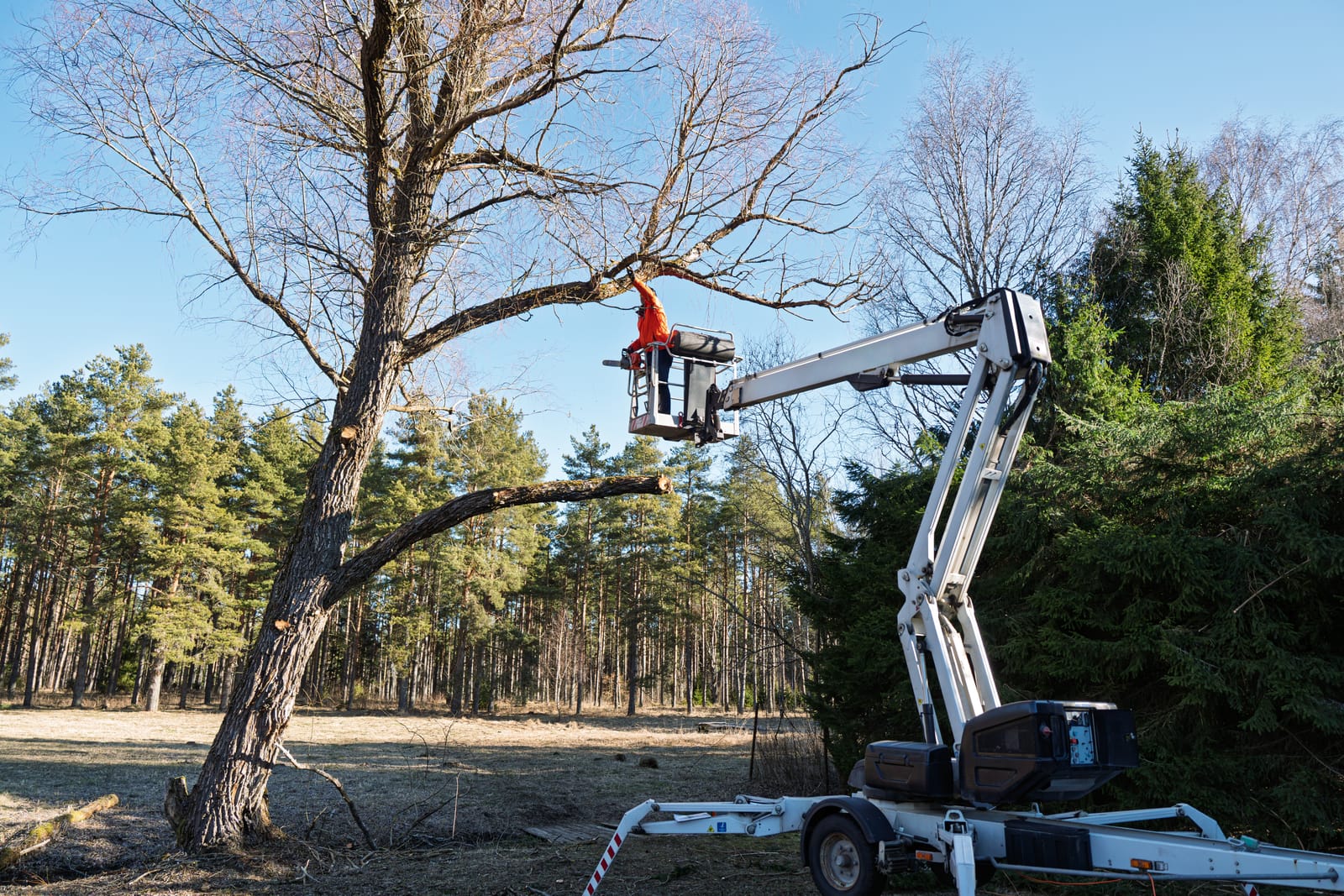
  • Tree Surgeons Greater London

    Tree Surgeons Greater London

    [fusion_builder_container hundred_percent=”no” hundred_percent_height=”no” hundred_percent_height_scroll=”no” hundred_percent_height_center_content=”yes” equal_height_columns=”no” hide_on_mobile=”small-visibility,medium-visibility,large-visibility” status=”published” border_style=”solid” padding_top=”3%” padding_bottom=”6%” gradient_start_position=”0″ gradient_end_position=”100″ gradient_type=”linear” radial_direction=”center center” linear_angle=”180″ background_position=”center center” background_repeat=”no-repeat” fade=”no” background_parallax=”none” enable_mobile=”no” parallax_speed=”0.3″ background_blend_mode=”none” video_aspect_ratio=”16:9″ video_loop=”yes” video_mute=”yes” filter_hue=”0″ filter_saturation=”100″ filter_brightness=”100″ filter_contrast=”100″ filter_invert=”0″ filter_sepia=”0″ filter_opacity=”100″ filter_blur=”0″ filter_hue_hover=”0″ filter_saturation_hover=”100″ filter_brightness_hover=”100″ filter_contrast_hover=”100″ filter_invert_hover=”0″ filter_sepia_hover=”0″ filter_opacity_hover=”100″ filter_blur_hover=”0″ admin_label=”Blog Content & Sidebar” admin_toggled=”no” type=”flex”][fusion_builder_row][fusion_builder_column type=”1_1″ layout=”1_1″ center_content=”no” target=”_self” hide_on_mobile=”small-visibility,medium-visibility,large-visibility” hover_type=”none” border_style=”solid” border_position=”all” box_shadow=”no” box_shadow_blur=”0″ box_shadow_spread=”0″ background_type=”single” gradient_start_position=”0″ gradient_end_position=”100″ gradient_type=”linear” radial_direction=”center center” linear_angle=”180″ background_position=”left top” background_repeat=”no-repeat” background_blend_mode=”none” animation_type=”fade” animation_direction=”left” animation_speed=”1.0″ filter_type=”regular” filter_hue=”0″ filter_saturation=”100″ filter_brightness=”100″ filter_contrast=”100″ filter_invert=”0″ filter_sepia=”0″ filter_opacity=”100″ filter_blur=”0″ filter_hue_hover=”0″ filter_saturation_hover=”100″ filter_brightness_hover=”100″ filter_contrast_hover=”100″ filter_invert_hover=”0″ filter_sepia_hover=”0″ filter_opacity_hover=”100″ filter_blur_hover=”0″ last=”true” element_content=”” first=”true” border_sizes_top=”0px” border_sizes_bottom=”0px” border_sizes_left=”0px” border_sizes_right=”0px” min_height=”” link=””][fusion_title title_type=”text” rotation_effect=”bounceIn” display_time=”1200″ highlight_effect=”circle” loop_animation=”off” highlight_width=”9″ highlight_top_margin=”0″ content_align=”left” size=”2″ font_size=”36px” style_type=”default” hide_on_mobile=”small-visibility,medium-visibility,large-visibility” dynamic_params=”eyJlbGVtZW50X2NvbnRlbnQiOnsiZGF0YSI6InBvc3RfdGl0bGUifX0=” margin_top=”40px” margin_top_mobile=”40px” margin_bottom=”20px” margin_bottom_mobile=”20px” margin_top_small=”40px” margin_bottom_small=”20px” /][fusion_imageframe hover_type=”none” align=”none” lightbox=”no” linktarget=”_self” animation_direction=”left” animation_speed=”0.3″ hide_on_mobile=”small-visibility,medium-visibility,large-visibility” dynamic_params=”eyJlbGVtZW50X2NvbnRlbnQiOnsiZGF0YSI6InBvc3RfZmVhdHVyZWRfaW1hZ2UifX0=” /][/fusion_builder_column][fusion_builder_column type=”1_1″ layout=”1_1″ center_content=”no” target=”_self” hide_on_mobile=”small-visibility,medium-visibility,large-visibility” hover_type=”none” border_style=”solid” border_position=”all” box_shadow=”no” box_shadow_blur=”0″ box_shadow_spread=”0″ background_type=”single” gradient_start_position=”0″ gradient_end_position=”100″ gradient_type=”linear” radial_direction=”center center” linear_angle=”180″ background_position=”left top” background_repeat=”no-repeat” background_blend_mode=”none” animation_type=”fade” animation_direction=”up” animation_speed=”1.0″ filter_type=”regular” filter_hue=”0″ filter_saturation=”100″ filter_brightness=”100″ filter_contrast=”100″ filter_invert=”0″ filter_sepia=”0″ filter_opacity=”100″ filter_blur=”0″ filter_hue_hover=”0″ filter_saturation_hover=”100″ filter_brightness_hover=”100″ filter_contrast_hover=”100″ filter_invert_hover=”0″ filter_sepia_hover=”0″ filter_opacity_hover=”100″ filter_blur_hover=”0″ first=”true” last=”true” padding_top=”30px” border_sizes_top=”0px” border_sizes_bottom=”0px” border_sizes_left=”0px” border_sizes_right=”0px” min_height=”” link=””][fusion_text columns=”” column_min_width=”” column_spacing=”” rule_style=”” rule_size=”” rule_color=”” hue=”” saturation=”” lightness=”” alpha=”” user_select=”” awb-switch-editor-focus=”” content_alignment_medium=”” content_alignment_small=”” content_alignment=”” hide_on_mobile=”small-visibility,medium-visibility,large-visibility” sticky_display=”normal,sticky” class=”” id=”” margin_top=”” margin_right=”” margin_bottom=”” margin_left=”” fusion_font_family_text_font=”” fusion_font_variant_text_font=”” font_size=”” line_height=”” letter_spacing=”” text_transform=”” text_color=”” animation_type=”” animation_direction=”left” animation_color=”” animation_speed=”0.3″ animation_delay=”0″ animation_offset=”” logics=””]

    You want reliable, professional tree surgery across Greater London and practical guidance on choosing the right team for your trees. Gardner’s Trees offers qualified, insured arborists who deliver common services like pruning, felling, stump grinding and emergency call-outs while working to local regulations and safety standards.

    We explains what to expect from tree surgery services in Greater London, how Gardner’s Trees approaches safety, health and the environment, and what sets their practical, experienced team apart. You’ll get clear answers to common concerns about cost, timing and legal requirements so you can make confident decisions for your garden or property.

    Tree Surgery Services in Greater London

    You will find targeted care for tree safety, health and local regulation compliance. Services focus on structural work, regular maintenance and urgent interventions tailored to London properties.

    Crown Reduction and Thinning

    Crown reduction reduces the height or spread of a tree to prevent contact with buildings, cables or neighbours’ gardens. Technicians measure the target reduction (usually expressed as a percentage or metres) and remove whole branches back to a suitable lateral to maintain tree balance and minimise regrowth stress.

    Thinning removes selected small branches across the crown to increase light penetration and reduce wind sail. You should expect the surgeon to retain the tree’s natural shape, avoid topping, and follow British Standard BS 3998 guidance for pruning cuts.

    For street trees or trees near power lines, crews often work from rope-and-harness systems or use aerial platforms. You will receive a risk assessment and traffic management plan for any work that affects the public highway.

    Tree Pruning and Shaping

    Pruning targets health and form by removing dead, diseased or crossing branches to reduce decay and pest entry points. You should get a written scope that lists cuts by location and explains how each reduces failure risk or improves structure.

    Shaping is cosmetic and functional: creating clearances for paths, improving sightlines and training young trees for future resilience. Surgeons use selective thinning, crown lifting and formative pruning depending on species and season.

    Work is scheduled to avoid bird nesting season where possible and to preserve statutory protections such as Tree Preservation Orders (TPOs). You should always ask for confirmation that the surgeon checked planning controls before starting work.

    Stump Grinding and Removal

    Stump grinding removes the visible portion of a stump using a powered grinder, leaving roots beneath ground level to break down naturally. This method is faster, cheaper and less disruptive than full root removal and is suitable when you plan to replant close by.

    Full stump and root removal requires excavation and can disturb foundations, services and soil structure; request a site inspection if you expect future landscaping or building work. Surgeons typically grind to 75–150mm below ground to allow turf or paving reinstatement.

    Ask for disposal options: chipped material can be removed, composted on site where permitted, or recycled. Confirm that arisings and any contaminated soil will be handled in line with local waste regulations.

    Emergency Tree Work

    Emergency call-outs deal with storm-damaged or imminently failing trees that pose immediate risk to people, property or utilities. You should expect an initial phone assessment followed by on-site inspection and a safety-first plan.

    Work ranges from removing hanging or partially detached limbs to felling unstable stems. Surgeons deploy rapid-response crews, often with traffic management and utility liaison if the hazard affects roads or power lines.

    Demand can peak after severe weather, so confirm response time, liability cover and a clear quote before work begins. You should also request photographic records and a written completion note for insurance claims.

    Why Choose Gardner’s Trees

    Gardner’s Trees offers qualified arborists, strong customer feedback, and full insurance protections to keep your property safe and compliant. You get a team with specific skills, responsive service practices, and insured operations for both domestic and commercial sites.

    Qualified and Experienced Arborists

    You will work with arborists who hold recognised qualifications and practical field experience. The team includes members with horticulture and arboriculture backgrounds and years of hands-on experience in tree surgery, pruning, felling and site-specific risk assessments.

    Each job begins with a written plan that references British Standards where relevant and identifies safe access, rigging points and waste removal routes. That level of planning reduces the chance of property damage and helps maintain tree health after work.

    For complex or large-scale removals, they use proven techniques — sectional dismantling, crane-assisted lifts and controlled felling — and documented method statements so you can see how the work will be done.

    Customer Satisfaction Commitment

    You receive transparent quotes, clear timelines and direct communication from the outset. Reviews and case studies cite punctuality, tidiness and efficient completion; jobs from high-end domestic gardens to live commercial sites get tailored plans.

    Gardner’s Trees emphasises reactive capacity for emergency call-outs alongside planned contracts, so you can expect a prompt site visit and a concise estimate when a tree poses an immediate risk. They also confirm scope changes in writing, which helps avoid surprise costs.

    Post-job, they clear arisings and grind or remove stumps as requested, leaving the site ready for reuse without leaving you to chase subcontractors or rubbish removal.

    Comprehensive Insurance Coverage

    You are protected by public liability insurance that covers accidental property damage and personal injury during operations. The company carries employer’s liability for on-site staff, which matters if you hire them for multi-day commercial works or larger domestic projects.

    For construction or contract work, they provide evidence of insurance and risk assessments before starting, helping you meet site compliance requirements. Certificates and policy details are available on request so you can verify cover limits and expiry dates quickly.

    If specialised plant such as cranes or elevated work platforms are used, those operations are insured and documented, reducing your exposure to uninsured incidents.

    Health, Safety, and Environmental Standards

    You will find clear commitments to legal safety standards and to practices that protect soil, biodiversity and neighbouring properties. The firm documents staff training, risk assessment, and methods for minimising environmental impact.

    Adherence to British Safety Regulations

    You should expect work carried out to align with BS 3998:2010 for tree work and with HSE guidance for tree operations. That means written risk assessments and method statements for each job, plus site-specific traffic and access plans where required.

    All operatives must hold relevant qualifications (NPTC/City & Guilds units, CSCS where applicable) and receive regular safety briefings and competence checks. You will see use of PPE, isolation of danger zones with barrier tape or fencing, and, for complex removals, use of cranes or rigging systems to protect property and people.

    Incident reporting and near-miss records are kept to maintain standards. You should be given proof of public liability insurance and, on request, copies of training records and the company’s health and safety policy.

    Environmentally Responsible Approaches

    You will notice practices intended to sustain tree health and local ecology. Pruning follows physiological principles to preserve tree vigour, and only necessary removals are recommended after a condition survey and optional arboricultural impact assessment.

    Stump grinding, chipping and recycling of arisings are used to reduce waste; woodchip may be offered for soil conditioning or removed to a certified recycling facility. Planting proposals favour native or site-appropriate species to support biodiversity and comply with local planning conditions.

    Chemicals are used only when necessary and to approved standards; herbicide application is documented and applied by trained staff. You can request documentation on waste disposal, pollution prevention measures (silt control, fuel handling), and any protections for nearby wildlife or veteran trees.

    Frequently Asked Questions

    You will find concise answers about required qualifications, emergency availability, typical job durations, legal permissions, credential checks, and species expertise. Each answer gives specific steps or criteria you can use when assessing Gardner’s Trees for work across Greater London.

    What qualifications are required to practise as a tree surgeon in Greater London?

    Tree surgeons should hold National Proficiency Tests Council (NPTC) or City & Guilds certificates in tree surgery or arboriculture. Look for formal training in chainsaw use, aerial rescue, and safe tree climbing techniques.

    Many experienced crews also hold additional qualifications such as LANTRA, forestry safety courses, or an arboricultural degree. Employers must provide on-the-job competency records and regular health and safety training.

    Can I find tree surgeons in Greater London that offer emergency services?

    Yes. Reputable firms, including Gardner’s Trees, provide emergency call-outs for dangerous or storm-damaged trees. They offer rapid site assessments and priority scheduling for hazards that threaten people, property or access.

    Confirm response time and whether the emergency visit includes a written risk assessment and temporary stabilisation before full removal. Insist on proof of public liability insurance before work begins.

    What is the typical duration of tree surgery operations by Gardner’s Trees?

    Small pruning jobs or hedge reductions often take a few hours and can be completed in one visit. Standard single-tree removals usually finish within half a day to a full day, depending on tree size, access and safety complexity.

    Larger works, multi-tree projects or those requiring scaffolding, specialist rigging or road closures may require several days and a formal project plan. Gardner’s Trees will typically provide a written timescale with the quotation.

    Are there any legal requirements for tree surgery in London?

    Yes. You must check whether trees are subject to Tree Preservation Orders (TPOs) or lie within a conservation area before carrying out work. Local authority consent is required for pruning or removal of protected trees.

    You must also comply with the Wildlife and Countryside Act when works could affect nesting birds (nesting season typically March to August). Contractors should submit any necessary applications and notify the council on your behalf if included in the service.

    How can I verify the credentials of a tree surgeon affiliating with Gardner’s Trees?

    Ask for proof of NPTC or equivalent qualifications, plus current public liability insurance cover (commonly up to £5 million). Request references, recent job photographs and a written method statement and risk assessment for the work.

    Check membership of recognised industry bodies (for example, Arboricultural Association or Tree Care Industry Association) and review third-party customer feedback on platforms such as Checkatrade. Confirm site-specific competence on arrival.

    What tree species can Gardner’s Trees handle in their tree surgery services?

    Gardner’s Trees work on common London species such as London plane, oak, sycamore, ash, silver birch and horse chestnut. They also manage garden and ornamental species, conifers and boundary hedging.

    If you have an unusual specimen, request a site visit for species-specific advice; they can produce tailored pruning, preservation or removal plans based on species condition and structural risk.

    [/fusion_text][/fusion_builder_column][/fusion_builder_row][/fusion_builder_container][fusion_global id=”58″]
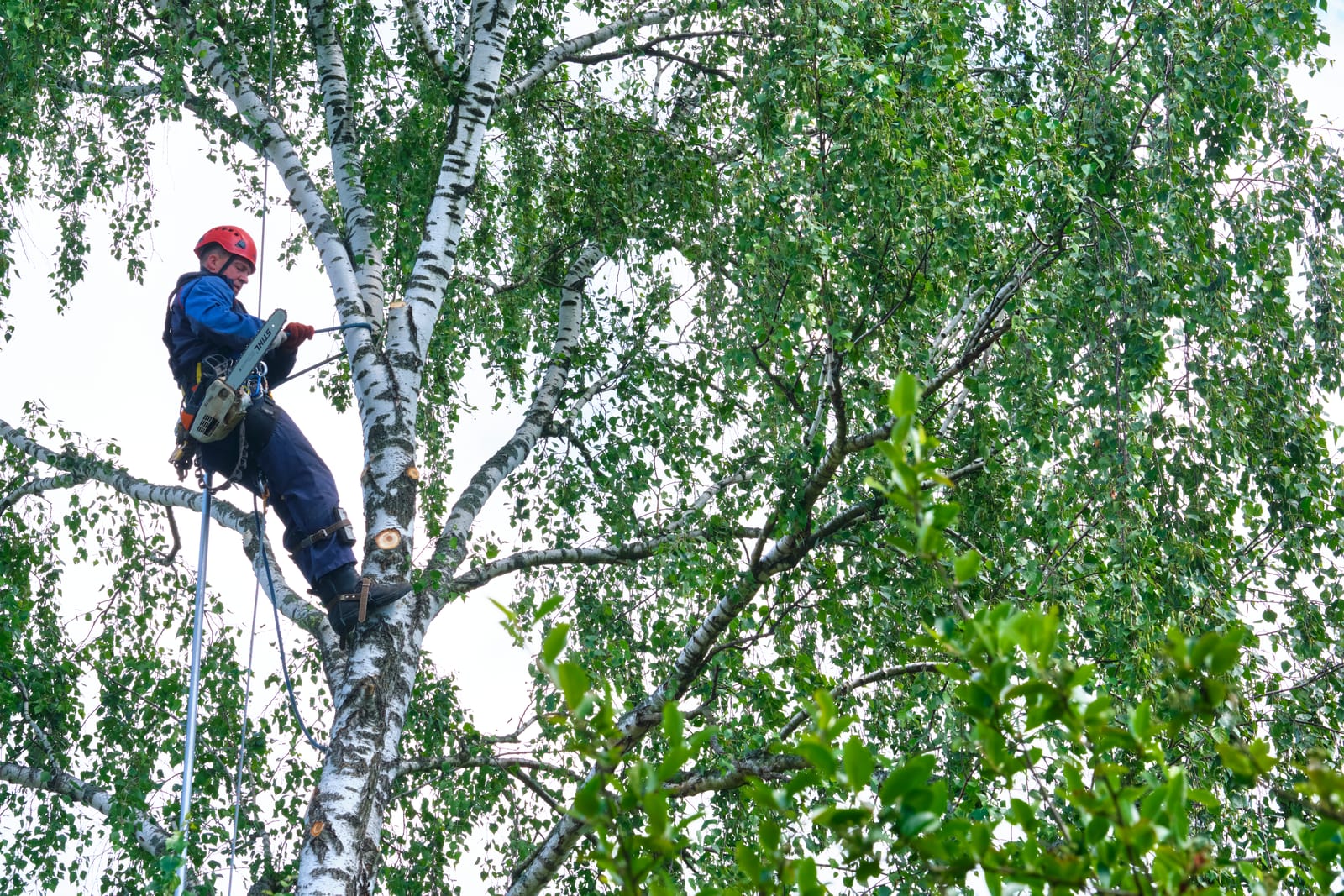
  • Tree Surveys and Inspections Hertfordshire

    Tree Surveys and Inspections Hertfordshire

    [fusion_builder_container hundred_percent=”no” hundred_percent_height=”no” hundred_percent_height_scroll=”no” hundred_percent_height_center_content=”yes” equal_height_columns=”no” hide_on_mobile=”small-visibility,medium-visibility,large-visibility” status=”published” border_style=”solid” padding_top=”3%” padding_bottom=”6%” gradient_start_position=”0″ gradient_end_position=”100″ gradient_type=”linear” radial_direction=”center center” linear_angle=”180″ background_position=”center center” background_repeat=”no-repeat” fade=”no” background_parallax=”none” enable_mobile=”no” parallax_speed=”0.3″ background_blend_mode=”none” video_aspect_ratio=”16:9″ video_loop=”yes” video_mute=”yes” filter_hue=”0″ filter_saturation=”100″ filter_brightness=”100″ filter_contrast=”100″ filter_invert=”0″ filter_sepia=”0″ filter_opacity=”100″ filter_blur=”0″ filter_hue_hover=”0″ filter_saturation_hover=”100″ filter_brightness_hover=”100″ filter_contrast_hover=”100″ filter_invert_hover=”0″ filter_sepia_hover=”0″ filter_opacity_hover=”100″ filter_blur_hover=”0″ admin_label=”Blog Content & Sidebar” admin_toggled=”no” type=”flex”][fusion_builder_row][fusion_builder_column type=”1_1″ layout=”1_1″ spacing=”” center_content=”no” link=”” target=”_self” min_height=”” hide_on_mobile=”small-visibility,medium-visibility,large-visibility” class=”” id=”” hover_type=”none” border_color=”” border_style=”solid” border_position=”all” border_radius=”” box_shadow=”no” dimension_box_shadow=”” box_shadow_blur=”0″ box_shadow_spread=”0″ box_shadow_color=”” box_shadow_style=”” padding_top=”” padding_right=”” padding_bottom=”” padding_left=”” margin_top=”” margin_bottom=”” background_type=”single” gradient_start_color=”” gradient_end_color=”” gradient_start_position=”0″ gradient_end_position=”100″ gradient_type=”linear” radial_direction=”center center” linear_angle=”180″ background_color=”” background_image=”” background_image_id=”” background_position=”left top” background_repeat=”no-repeat” background_blend_mode=”none” animation_type=”fade” animation_direction=”left” animation_speed=”1.0″ animation_offset=”” filter_type=”regular” filter_hue=”0″ filter_saturation=”100″ filter_brightness=”100″ filter_contrast=”100″ filter_invert=”0″ filter_sepia=”0″ filter_opacity=”100″ filter_blur=”0″ filter_hue_hover=”0″ filter_saturation_hover=”100″ filter_brightness_hover=”100″ filter_contrast_hover=”100″ filter_invert_hover=”0″ filter_sepia_hover=”0″ filter_opacity_hover=”100″ filter_blur_hover=”0″ last=”true” element_content=”” first=”true” border_sizes_top=”0px” border_sizes_bottom=”0px” border_sizes_left=”0px” border_sizes_right=”0px” spacing_right=””][fusion_title title_type=”text” rotation_effect=”bounceIn” display_time=”1200″ highlight_effect=”circle” loop_animation=”off” highlight_width=”9″ highlight_top_margin=”0″ before_text=”” rotation_text=”” highlight_text=”” after_text=”” content_align=”left” size=”2″ font_size=”36px” animated_font_size=”” line_height=”” letter_spacing=”” text_color=”” animated_text_color=”” highlight_color=”” style_type=”default” sep_color=”” hide_on_mobile=”small-visibility,medium-visibility,large-visibility” class=”” id=”” dynamic_params=”eyJlbGVtZW50X2NvbnRlbnQiOnsiZGF0YSI6InBvc3RfdGl0bGUifX0=” margin_top=”40px” margin_top_mobile=”40px” margin_bottom=”20px” margin_bottom_mobile=”20px” margin_top_small=”40px” margin_bottom_small=”20px” /][fusion_imageframe image_id=”” max_width=”” style_type=”” blur=”” stylecolor=”” hover_type=”none” bordersize=”” bordercolor=”” borderradius=”” align=”none” lightbox=”no” gallery_id=”” lightbox_image=”” lightbox_image_id=”” alt=”” link=”” linktarget=”_self” animation_type=”” animation_direction=”left” animation_speed=”0.3″ animation_offset=”” hide_on_mobile=”small-visibility,medium-visibility,large-visibility” class=”” id=”” dynamic_params=”eyJlbGVtZW50X2NvbnRlbnQiOnsiZGF0YSI6InBvc3RfZmVhdHVyZWRfaW1hZ2UifX0=” /][/fusion_builder_column][fusion_builder_column type=”1_1″ layout=”1_1″ spacing=”” center_content=”no” link=”” target=”_self” min_height=”” hide_on_mobile=”small-visibility,medium-visibility,large-visibility” class=”” id=”” hover_type=”none” border_color=”” border_style=”solid” border_position=”all” box_shadow=”no” box_shadow_blur=”0″ box_shadow_spread=”0″ box_shadow_color=”” box_shadow_style=”” background_type=”single” gradient_start_position=”0″ gradient_end_position=”100″ gradient_type=”linear” radial_direction=”center center” linear_angle=”180″ background_color=”” background_image=”” background_image_id=”” background_position=”left top” background_repeat=”no-repeat” background_blend_mode=”none” animation_type=”fade” animation_direction=”up” animation_speed=”1.0″ animation_offset=”” filter_type=”regular” filter_hue=”0″ filter_saturation=”100″ filter_brightness=”100″ filter_contrast=”100″ filter_invert=”0″ filter_sepia=”0″ filter_opacity=”100″ filter_blur=”0″ filter_hue_hover=”0″ filter_saturation_hover=”100″ filter_brightness_hover=”100″ filter_contrast_hover=”100″ filter_invert_hover=”0″ filter_sepia_hover=”0″ filter_opacity_hover=”100″ filter_blur_hover=”0″ first=”true” last=”true” padding_top=”30px” border_sizes_top=”0px” border_sizes_bottom=”0px” border_sizes_left=”0px” border_sizes_right=”0px”][fusion_text columns=”” column_min_width=”” column_spacing=”” rule_style=”” rule_size=”” rule_color=”” hue=”” saturation=”” lightness=”” alpha=”” user_select=”” awb-switch-editor-focus=”” content_alignment_medium=”” content_alignment_small=”” content_alignment=”” hide_on_mobile=”small-visibility,medium-visibility,large-visibility” sticky_display=”normal,sticky” class=”” id=”” margin_top=”” margin_right=”” margin_bottom=”” margin_left=”” fusion_font_family_text_font=”” fusion_font_variant_text_font=”” font_size=”” line_height=”” letter_spacing=”” text_transform=”” text_color=”” animation_type=”” animation_direction=”left” animation_color=”” animation_speed=”0.3″ animation_delay=”0″ animation_offset=”” logics=””]

    You need a clear, local answer about tree safety and planning in Hertfordshire — whether you own a garden, manage a development site, or oversee a commercial property. Gardner’s Trees offers qualified arborists who carry out thorough surveys and inspections across Hertfordshire, providing the practical reports and recommendations you need for safety, maintenance and planning compliance.

    This article shows how comprehensive surveys work, what Gardner’s Trees inspects, how their reports meet legal and planning standards, and why choosing a Hertfordshire-based team matters for timely, accurate advice. Expect clear steps you can take next and the questions to ask when commissioning a survey.

    Comprehensive Tree Surveys in Hertfordshire

    You’ll get detailed assessments of tree health, safety risks, and planning compliance, plus clear recommendations and costed works where required. Reports are tailored to site size, statutory needs and your intended use of the land.

    Types of Tree Surveys Offered

    Gardner’s Trees carries out surveys to match specific purposes: basic safety checks, full BS 5837:2012 (or current) surveys for development, and categorical risk assessments for insurance or management.
    A typical BS 5837-style survey records species, stem diameter, height, crown spread, age class, physiological condition and a quality grading. You receive tree location plans and Root Protection Area (RPA) calculations to inform design and construction decisions.

    For safety and insurance purposes, the team offers targeted Visual Tree Assessment (VTA) inspections and decay mapping using sonic or resistance testing where required.
    Specialist checks — veteran tree assessments, protected tree (TPO) surveys and veteran habitat appraisals — are available on request.

    Residential and Commercial Services

    For homeowners, Gardner’s produces concise, readable reports that focus on immediate hazards, recommended pruning, and long-term management plans.
    You’ll obtain clear cost estimates for remedial works, guidance on neighbour and party wall issues, and assistance with TPO and conservation area queries.

    For developers and local authorities, the service includes tree constraints plans, impact assessments for construction, protective fencing layouts and supervision of arboricultural works on site.
    You also receive Arb Method Statements (AMS) and Tree Protection Plans (TPP) to satisfy planning officers and to reduce risk of costly root damage during works.

    Benefits of Professional Tree Surveys

    A professional survey gives you documented evidence of condition and risk, supporting informed decisions about removal, pruning or protection measures.
    You reduce liability by identifying defects and getting remedial work scheduled before incidents occur; insurers and solicitors respect detailed, dated reports.

    Professional reports help secure planning permission and avoid delays by demonstrating compliance with BS standards and local Hertfordshire requirements.
    You also gain a management roadmap: prioritised works, estimated budgets and a timetable that preserves tree health and value over decades.

    Expert Tree Inspections by Gardner’s Trees

    Gardner’s Trees conducts thorough, site-specific inspections that record tree condition, risk levels, and recommended actions. You will receive clear findings, practical next steps, and costed options where work is required.

    Inspection Process Explained

    Gardner’s Trees begins with a site visit and a visual survey of each tree, noting species, height, crown spread and structural defects. They use industry-standard forms to record measurements and photographic evidence so you have a dated record suitable for planning or maintenance.

    If required, the team performs targeted tests such as sounding with a mallet, decay probe checks and resistograph readings to assess internal timber condition. You receive an annotated plan or schedule listing tree tags or plot references, along with priority levels: immediate, short-term (within 12 months) or routine maintenance.

    Reporting includes recommended remedial works (pruning, cabling, removal), estimated durations, and a basic cost outline. For planning applications or legal queries they can provide the formatted tree report or a tree protection plan to meet local authority expectations.

    Health and Safety Assessments

    Assessments focus on the likelihood of failure and potential impact, combining defect severity with proximity to people, buildings and highways. You get a quantified risk rating that helps you decide whether to act immediately or monitor.

    Inspectors check root-plate stability, root damage from construction, and soil heave or waterlogging that can undermine anchorage. They also evaluate crown imbalance, included bark, large cavities and previous pollard or pruning wounds that increase failure risk.

    Where hazards exist, Gardner’s Trees will specify mitigations: targeted pruning, crown reduction, tree bracing, or complete removal. They document recommended exclusion zones and temporary restrictions to help you manage site safety until works are completed.

    Identifying Pests and Diseases

    Inspectors look for common Hertfordshire pests and pathogens such as oak processionary moth, honey fungus, ash dieback and scale insects, recording visible symptoms and progression. You receive clear photographic evidence and a description of signs: frass, mycelial fans, wilt, dieback or defoliation.

    The report distinguishes between treatable issues (localized insect control, targeted pruning) and systemic problems requiring removal or long‑term management. Where appropriate, they recommend specific control measures: chemical treatment, remedial pruning, biocontrol options, or monitoring schedules.

    If statutory reporting or biosecurity steps are needed, Gardner’s Trees will note legal obligations and suggested next actions, including isolation measures, notifying authorities and safe disposal of infected material.

    Legal Compliance and Arboricultural Reports

    You will need clear, compliant reports for planning, protected trees, and insurance or safety cases. Each type of report has specific standards, content and recipients you must satisfy.

    Planning Applications and BS5837 Surveys

    When your development touches or sits near trees you must provide a BS5837-compliant tree survey and report with planning submissions. The report should include a tree schedule (species, height, stem diameter, age class, condition), an arboricultural constraints plan (to show root protection areas and canopies) and an arboricultural impact assessment describing any trees to be removed or retained.

    Your report must state the tree protection measures you will use during construction: fencing locations, ground protection, working methods and a monitoring regime. Include scaled drawings and a pre-commencement condition record so planners can see how you will protect retained trees during each phase of work. Local planning authorities in Hertfordshire expect this level of detail for most domestic and commercial applications.

    Tree Preservation Orders and Protected Trees

    If any trees on or adjacent to your site are subject to a Tree Preservation Order (TPO) or lie within a Conservation Area, you must obtain consent before carrying out work. Your arboricultural report should identify protected trees, show TPO reference numbers where available, and record lawful constraints such as crown lifts, reductions or removals that require permission.

    Provide a clear justification for any proposed works to protected trees: condition assessment, risk evidence, and the expected benefits. Where removal is proposed, include a replacement planting plan or mitigation proposals. You should engage a qualified arboricultural consultant to negotiate with the local authority and to prepare any retrospective submissions if work proceeds without consent.

    Insurance and Risk Assessment Reports

    Insurers and duty-of-care obligations often require a separate tree safety or risk assessment report, distinct from planning documents. These reports focus on foreseeable failure modes, target mapping (who or what could be harmed), likelihood and the recommended management actions with timescales.

    Ensure your report contains: a limb and trunk inspection, notation of pests and diseases, a prioritised schedule of remedial works, and photographic evidence. Use clear risk categories and remediation deadlines so insurers and asset managers can make funding and safety decisions. Retain reports and evidence of carried-out works to support future claims or compliance audits.

    Why Choose Gardner’s Trees in Hertfordshire

    Gardner’s Trees combines accredited arboricultural expertise, proven local experience, and documented client work to give you reliable tree surveys, clear reports, and practical recommendations. You can expect qualified staff, consistent customer feedback, and case studies that show how they handle planning, safety and conservation issues.

    Qualified Arborists and Accreditations

    You deal directly with arborists who hold recognised certifications and practical field experience. Gardner’s Trees employ professionals with qualifications such as LANTRA and City & Guilds (or equivalent), and they follow British Standards for tree work and surveys (including BS 5837 where relevant).

    Their team uses calibrated equipment for tree measurement, decay detection and safety assessments, so you receive accurate data for planning applications or risk management. They carry public liability insurance and maintain up-to-date training records, which protects you and your property during inspections and any recommended works.

    You also gain access to written reports that explain findings in plain language, include scaled plans and photographic evidence, and set out clear remedial or management options with estimated costs. This makes it simpler to present information to planners, insurers, or neighbours.

    Customer Satisfaction and Local Expertise

    You benefit from a company rooted in Hertfordshire with repeated work across St Albans, Harpenden, Welwyn Garden City and surrounding areas. That local presence means they understand council planning policies, common protected tree species and typical site constraints in the county.

    Gardner’s Trees offers rapid scheduling for urgent safety inspections and flexible appointments for homeowners and developers. Their workflow includes pre-survey phone checklists, on-site risk assessments, and follow-up advice to help you comply with planning or conservation orders.

    Pricing is presented in writing with a breakdown of services—survey type, number of trees inspected, and deliverables—so you know exactly what you commission. You can expect transparent timelines for delivering reports suitable for planning applications or legal records.

    Testimonials and Case Studies

    You can review tangible examples of work that demonstrate competence on domestic and commercial projects. Case studies typically outline the brief, constraints (e.g. protected TPO trees or tight access), the survey method used, and the outcome such as successful planning approval or a risk mitigation plan.

    Client testimonials focus on professionalism, punctuality and clarity of reports. Homeowners often highlight helpful post-survey advice and courteous on-site behaviour, while developers note timely delivery and reports formatted for planning submissions.

    A short checklist of typical case study elements you should look for:

    • Project location and scale
    • Survey standard used (e.g. BS 5837)
    • Key findings and actions taken
    • Client feedback and outcome (planning approval, safety works completed)

    Frequently Asked Questions

    These answers explain legal duties, inspection frequency, required qualifications, protected species considerations, the inspection workflow, and how Gardner’s Trees presents findings. Expect clear, practical guidance tailored to Hertfordshire properties and planning needs.

    What are the legal requirements for tree surveys in Hertfordshire?

    You must follow local planning rules when trees affect a development or when a Tree Preservation Order (TPO) or conservation area applies. Hertfordshire councils expect BS 5837-compliant surveys for most planning applications that could affect trees.

    You also need written consent before removing or pruning trees protected by a TPO. Failing to obtain consent can lead to enforcement action and fines.

    How often should a tree inspection be conducted for residential properties?

    Carry out a basic safety inspection every 12–24 months for most mature trees close to buildings or public areas. Younger, newly planted or vigorously growing trees may need checks annually.

    Inspect after extreme weather, visible defects, or if you plan nearby construction. Frequent checks reduce the risk of sudden failures that could harm people or property.

    What qualifications should a professional tree surveyor possess?

    Look for an arboriculturalist with a recognised qualification such as a Level 6 Diploma in Arboriculture or a degree in arboriculture/forestry. Membership of professional bodies like the Arboricultural Association or the Institute of Chartered Foresters indicates competence.

    Ensure the surveyor holds public liability insurance and provides references or examples of BS 5837-compliant reports. Chartered status or consultancy experience in Hertfordshire planning cases is advantageous.

    Can tree surveys help in identifying protected species in Hertfordshire?

    Yes. A competent surveyor will note potential bat roost features, nesting birds and other protected habitats observed during inspection. Where signs of protected species appear, the survey should recommend a specialist ecological survey.

    Surveyors must not carry out full ecological assessments unless qualified; they should flag risks and advise on further protected-species surveys to meet legal and planning requirements.

    What is the typical process involved in a professional tree inspection?

    The surveyor starts with a site walkover, recording species, size, condition and any defects for each tree. They assess structural integrity, health, rooting environment and potential conflicts with buildings or planned works.

    They map tree positions, assign categories of retention value, and identify constraints for design or construction. Where necessary, they recommend remedial work, monitoring or further specialist checks.

    How are tree survey findings typically reported to property owners?

    Reports usually include a location plan, tree schedule with dimensions and condition notes, and photos of key defects or features. Gardner’s Trees provides BS 5837-formatted reports when needed for planning, plus clear recommendations and costed options for remedial work.

    Reports state timescales for urgent actions and any legal or planning implications, making it straightforward for you to comply with Hertfordshire council requirements.

    [/fusion_text][/fusion_builder_column][/fusion_builder_row][/fusion_builder_container][fusion_global id=”58″]

  • Expert Tree Surgery Hertfordshire

    Expert Tree Surgery Hertfordshire

    [fusion_builder_container hundred_percent=”no” hundred_percent_height=”no” hundred_percent_height_scroll=”no” hundred_percent_height_center_content=”yes” equal_height_columns=”no” hide_on_mobile=”small-visibility,medium-visibility,large-visibility” status=”published” border_style=”solid” padding_top=”3%” padding_bottom=”6%” gradient_start_position=”0″ gradient_end_position=”100″ gradient_type=”linear” radial_direction=”center center” linear_angle=”180″ background_position=”center center” background_repeat=”no-repeat” fade=”no” background_parallax=”none” enable_mobile=”no” parallax_speed=”0.3″ background_blend_mode=”none” video_aspect_ratio=”16:9″ video_loop=”yes” video_mute=”yes” filter_hue=”0″ filter_saturation=”100″ filter_brightness=”100″ filter_contrast=”100″ filter_invert=”0″ filter_sepia=”0″ filter_opacity=”100″ filter_blur=”0″ filter_hue_hover=”0″ filter_saturation_hover=”100″ filter_brightness_hover=”100″ filter_contrast_hover=”100″ filter_invert_hover=”0″ filter_sepia_hover=”0″ filter_opacity_hover=”100″ filter_blur_hover=”0″ admin_label=”Blog Content & Sidebar” admin_toggled=”no” type=”flex”][fusion_builder_row][fusion_builder_column type=”1_1″ layout=”1_1″ spacing=”” center_content=”no” link=”” target=”_self” min_height=”” hide_on_mobile=”small-visibility,medium-visibility,large-visibility” class=”” id=”” hover_type=”none” border_color=”” border_style=”solid” border_position=”all” border_radius=”” box_shadow=”no” dimension_box_shadow=”” box_shadow_blur=”0″ box_shadow_spread=”0″ box_shadow_color=”” box_shadow_style=”” padding_top=”” padding_right=”” padding_bottom=”” padding_left=”” margin_top=”” margin_bottom=”” background_type=”single” gradient_start_color=”” gradient_end_color=”” gradient_start_position=”0″ gradient_end_position=”100″ gradient_type=”linear” radial_direction=”center center” linear_angle=”180″ background_color=”” background_image=”” background_image_id=”” background_position=”left top” background_repeat=”no-repeat” background_blend_mode=”none” animation_type=”fade” animation_direction=”left” animation_speed=”1.0″ animation_offset=”” filter_type=”regular” filter_hue=”0″ filter_saturation=”100″ filter_brightness=”100″ filter_contrast=”100″ filter_invert=”0″ filter_sepia=”0″ filter_opacity=”100″ filter_blur=”0″ filter_hue_hover=”0″ filter_saturation_hover=”100″ filter_brightness_hover=”100″ filter_contrast_hover=”100″ filter_invert_hover=”0″ filter_sepia_hover=”0″ filter_opacity_hover=”100″ filter_blur_hover=”0″ last=”true” element_content=”” first=”true” border_sizes_top=”0px” border_sizes_bottom=”0px” border_sizes_left=”0px” border_sizes_right=”0px” spacing_right=””][fusion_title title_type=”text” rotation_effect=”bounceIn” display_time=”1200″ highlight_effect=”circle” loop_animation=”off” highlight_width=”9″ highlight_top_margin=”0″ before_text=”” rotation_text=”” highlight_text=”” after_text=”” content_align=”left” size=”2″ font_size=”36px” animated_font_size=”” line_height=”” letter_spacing=”” text_color=”” animated_text_color=”” highlight_color=”” style_type=”default” sep_color=”” hide_on_mobile=”small-visibility,medium-visibility,large-visibility” class=”” id=”” dynamic_params=”eyJlbGVtZW50X2NvbnRlbnQiOnsiZGF0YSI6InBvc3RfdGl0bGUifX0=” margin_top=”40px” margin_top_mobile=”40px” margin_bottom=”20px” margin_bottom_mobile=”20px” margin_top_small=”40px” margin_bottom_small=”20px” /][fusion_imageframe image_id=”” max_width=”” style_type=”” blur=”” stylecolor=”” hover_type=”none” bordersize=”” bordercolor=”” borderradius=”” align=”none” lightbox=”no” gallery_id=”” lightbox_image=”” lightbox_image_id=”” alt=”” link=”” linktarget=”_self” animation_type=”” animation_direction=”left” animation_speed=”0.3″ animation_offset=”” hide_on_mobile=”small-visibility,medium-visibility,large-visibility” class=”” id=”” dynamic_params=”eyJlbGVtZW50X2NvbnRlbnQiOnsiZGF0YSI6InBvc3RfZmVhdHVyZWRfaW1hZ2UifX0=” /][/fusion_builder_column][fusion_builder_column type=”1_1″ layout=”1_1″ spacing=”” center_content=”no” link=”” target=”_self” min_height=”” hide_on_mobile=”small-visibility,medium-visibility,large-visibility” class=”” id=”” hover_type=”none” border_color=”” border_style=”solid” border_position=”all” box_shadow=”no” box_shadow_blur=”0″ box_shadow_spread=”0″ box_shadow_color=”” box_shadow_style=”” background_type=”single” gradient_start_position=”0″ gradient_end_position=”100″ gradient_type=”linear” radial_direction=”center center” linear_angle=”180″ background_color=”” background_image=”” background_image_id=”” background_position=”left top” background_repeat=”no-repeat” background_blend_mode=”none” animation_type=”fade” animation_direction=”up” animation_speed=”1.0″ animation_offset=”” filter_type=”regular” filter_hue=”0″ filter_saturation=”100″ filter_brightness=”100″ filter_contrast=”100″ filter_invert=”0″ filter_sepia=”0″ filter_opacity=”100″ filter_blur=”0″ filter_hue_hover=”0″ filter_saturation_hover=”100″ filter_brightness_hover=”100″ filter_contrast_hover=”100″ filter_invert_hover=”0″ filter_sepia_hover=”0″ filter_opacity_hover=”100″ filter_blur_hover=”0″ first=”true” last=”true” padding_top=”30px” border_sizes_top=”0px” border_sizes_bottom=”0px” border_sizes_left=”0px” border_sizes_right=”0px”][fusion_text columns=”” column_min_width=”” column_spacing=”” rule_style=”” rule_size=”” rule_color=”” hue=”” saturation=”” lightness=”” alpha=”” user_select=”” awb-switch-editor-focus=”” content_alignment_medium=”” content_alignment_small=”” content_alignment=”” hide_on_mobile=”small-visibility,medium-visibility,large-visibility” sticky_display=”normal,sticky” class=”” id=”” margin_top=”” margin_right=”” margin_bottom=”” margin_left=”” fusion_font_family_text_font=”” fusion_font_variant_text_font=”” font_size=”” line_height=”” letter_spacing=”” text_transform=”” text_color=”” animation_type=”” animation_direction=”left” animation_color=”” animation_speed=”0.3″ animation_delay=”0″ animation_offset=”” logics=””]

    You want safe, reliable tree surgery in Hertfordshire that protects your property and keeps trees healthy. Gardner’s Trees offers experienced arborists who handle pruning, removals and emergency work with insurance and safety standards that you can trust. If you need professional tree care in Hertfordshire – whether routine pruning, a complex removal, or urgent storm damage response—Gardner’s Trees provides qualified, insured teams to get the job done safely and efficiently.

    You will learn what specialist services to expect, why choosing a local, experienced company matters for tree health and legal compliance, and which extra services can simplify your project from start to finish. This overview prepares you to decide confidently about your trees and spot the right level of care for your garden or property.

    Expert Tree Surgery Services in Hertfordshire

    You get safe, insured work tailored to your property, whether that’s a small inner‑city garden or a larger estate. Services focus on reducing risk, protecting structures and improving tree health.

    Comprehensive Tree Removal Solutions

    You’ll receive a site assessment that records tree species, lean, rootplate condition and proximity to buildings or services. Where full removal is necessary, the team uses sectional dismantling to remove trees piece‑by‑piece from the top down, keeping scaffolding and roofs protected.

    Risk controls include exclusion zones, banksman direction and cable rigging for heavy limbs. If access is restricted, trained climbers and compact winching systems are used so you avoid unnecessary damage to fences, drives or planted beds. The crew confirms waste removal or chipping options and provides a written method statement for complex removals.

    Precision Pruning and Shaping

    You can expect pruning tailored to tree physiology and your objectives: crown reduction to lower wind sail, crown thinning to reduce weight and increase light, or formative pruning for young specimens. Each cut follows British Standard BS 3998 principles to promote decay‑free wound closure.

    Arborists identify and remove crossing, dead or diseased limbs while preserving important structural branches. For trees near cables or buildings, selective crown lifting and directional pruning protect clearance requirements and sightlines. The outcome improves safety, tree longevity and the appearance of your garden.

    Stump Grinding and Removal

    If you want the stump gone, grinders reduce the stump to below ground level, removing the trip hazard and allowing immediate relandscaping. The operator assesses root spread and underground services first and marks any obstructions to avoid damage to drains or cabling.

    Options include full stump extraction for replanting, or chipping the grindings for garden mulch. You’ll get advice on backfilling: clean topsoil for planting or compacted stone for a patio sub‑base. The crew clears the site and disposes of arisings, leaving the area ready for your next project.

    Why Choose Gardner’s Trees

    You’ll find clear reasons to choose them: qualified arborists who handle complex jobs, strict safety and environmental practices, and strong local reputation backed by insured, reliable service.

    Qualified and Experienced Arborists

    You get work carried out by qualified arborists with practical experience across Hertfordshire and neighbouring areas. They hold recognised industry qualifications and regularly carry out tasks from crown reductions and sectional dismantling to stump grinding and planting.
    Experience matters for access-restricted gardens and conservation-area work; Gardner’s Trees state they operate in tight urban plots and on trees with Tree Preservation Orders, so specialists familiar with permits and careful dismantling minimise risk to your property.

    They use industry-standard equipment and methods. That reduces damage to root zones and preserves tree health when pruning or thinning. You can ask for proof of qualifications and examples of similar jobs before they start.

    Commitment to Safety and Sustainability

    Your property and the public remain protected through insured operations and formal safety measures. Teams work with appropriate PPE, traffic management where needed, and controlled dismantling techniques to avoid falling debris in built-up streets. Emergency call-outs and safe removal procedures are part of their routine services.
    Sustainability appears in planting and aftercare choices. They offer stump grinding and replanting options rather than defaulting to wholesale clearances, which helps maintain canopy cover and local biodiversity. You can request details of waste disposal and whether arisings are chipped, recycled, or removed.

    Customer Satisfaction and Local Expertise

    You benefit from local knowledge of Hertfordshire’s soils, common species and statutory restrictions. That helps them recommend practical, cost-effective work tailored to your garden or estate. They list service areas including High Barnet, Finchley, Totteridge, Mill Hill and nearby suburbs, which makes scheduling and follow-up easier.
    Reviews and case studies are available to check standards and workmanship on comparable jobs. They offer competitive pricing, online quotes, and clear communication about timelines and permits, so you know what to expect and when.

    Additional Services Offered

    You receive more than standard tree surgery. The services below address hedges, urgent tree hazards, and full-site clearance so your property stays safe, tidy and compliant.

    Hedge Trimming and Maintenance

    You get seasonal hedge trimming tailored to species and growth habit to promote health and neat lines. That includes shaping, height reduction, thinning to improve airflow, and formative pruning for young hedges.

    Work plans specify timing—typically late summer or early autumn for most deciduous hedges, and late spring or early summer for evergreens—to protect nesting birds and encourage regrowth. Maintenance visits can be scheduled monthly, quarterly or annually depending on growth rate and boundary visibility.

    Tasks include cutting to legal boundary lines, removing arisings, and disposing or chipping green waste on-site. If you need, the team can treat disease or pest issues, plus provide written care advice so you know when to water, feed or re-shape.

    Emergency Tree Work

    You can call for 24/7 emergency response when a tree endangers people, property or access routes. The crew assesses risk on arrival, secures the scene, and removes or reduces the hazardous element using controlled dismantling.

    Emergency work covers fallen trees, large limbs threatening structures, and storm-damaged trunks that require immediate bracing or removal. Crews carry specialist rigging gear and run-through plans to protect buildings, vehicles and services during removal.

    Following urgent works, the team offers a follow-up report with recommended remedial actions, quotes for full removal if needed, and options for stump grinding or replacement planting to restore the site.

    Site Clearance Services

    You can commission full site clearance for garden renovations, redevelopment sites, or preparing land for construction. Services include tree and shrub removal, stump grinding, bramble and undergrowth clearance, and vegetation disposal or chipping.

    Clearance begins with a site survey that records protected trees, access limitations and waste volumes. Work is staged to maintain safe access, protect retained trees with temporary fencing, and comply with local regulations such as Tree Preservation Orders.

    After clearance, the crew can level and tidy the ground, leave woodchip for mulch, or export arisings to recycling centres. If required, they will provide waste transfer documentation and liaison with planning or local authority officers.

    [/fusion_text][/fusion_builder_column][/fusion_builder_row][/fusion_builder_container][fusion_global id=”58″]

  • Tree Surgery Barnet With Gardner’s Trees – Expert Pruning, Removal and Care

    Tree Surgery Barnet With Gardner’s Trees – Expert Pruning, Removal and Care

    [fusion_builder_container hundred_percent=”no” hundred_percent_height=”no” hundred_percent_height_scroll=”no” hundred_percent_height_center_content=”yes” equal_height_columns=”no” hide_on_mobile=”small-visibility,medium-visibility,large-visibility” status=”published” border_style=”solid” padding_top=”3%” padding_bottom=”6%” gradient_start_position=”0″ gradient_end_position=”100″ gradient_type=”linear” radial_direction=”center center” linear_angle=”180″ background_position=”center center” background_repeat=”no-repeat” fade=”no” background_parallax=”none” enable_mobile=”no” parallax_speed=”0.3″ background_blend_mode=”none” video_aspect_ratio=”16:9″ video_loop=”yes” video_mute=”yes” filter_hue=”0″ filter_saturation=”100″ filter_brightness=”100″ filter_contrast=”100″ filter_invert=”0″ filter_sepia=”0″ filter_opacity=”100″ filter_blur=”0″ filter_hue_hover=”0″ filter_saturation_hover=”100″ filter_brightness_hover=”100″ filter_contrast_hover=”100″ filter_invert_hover=”0″ filter_sepia_hover=”0″ filter_opacity_hover=”100″ filter_blur_hover=”0″ admin_label=”Blog Content & Sidebar” admin_toggled=”no” type=”flex”][fusion_builder_row][fusion_builder_column type=”1_1″ layout=”1_1″ spacing=”” center_content=”no” link=”” target=”_self” min_height=”” hide_on_mobile=”small-visibility,medium-visibility,large-visibility” class=”” id=”” hover_type=”none” border_color=”” border_style=”solid” border_position=”all” border_radius=”” box_shadow=”no” dimension_box_shadow=”” box_shadow_blur=”0″ box_shadow_spread=”0″ box_shadow_color=”” box_shadow_style=”” padding_top=”” padding_right=”” padding_bottom=”” padding_left=”” margin_top=”” margin_bottom=”” background_type=”single” gradient_start_color=”” gradient_end_color=”” gradient_start_position=”0″ gradient_end_position=”100″ gradient_type=”linear” radial_direction=”center center” linear_angle=”180″ background_color=”” background_image=”” background_image_id=”” background_position=”left top” background_repeat=”no-repeat” background_blend_mode=”none” animation_type=”fade” animation_direction=”left” animation_speed=”1.0″ animation_offset=”” filter_type=”regular” filter_hue=”0″ filter_saturation=”100″ filter_brightness=”100″ filter_contrast=”100″ filter_invert=”0″ filter_sepia=”0″ filter_opacity=”100″ filter_blur=”0″ filter_hue_hover=”0″ filter_saturation_hover=”100″ filter_brightness_hover=”100″ filter_contrast_hover=”100″ filter_invert_hover=”0″ filter_sepia_hover=”0″ filter_opacity_hover=”100″ filter_blur_hover=”0″ last=”true” element_content=”” first=”true” border_sizes_top=”0px” border_sizes_bottom=”0px” border_sizes_left=”0px” border_sizes_right=”0px” spacing_right=””][fusion_title title_type=”text” rotation_effect=”bounceIn” display_time=”1200″ highlight_effect=”circle” loop_animation=”off” highlight_width=”9″ highlight_top_margin=”0″ before_text=”” rotation_text=”” highlight_text=”” after_text=”” content_align=”left” size=”2″ font_size=”36px” animated_font_size=”” line_height=”” letter_spacing=”” text_color=”” animated_text_color=”” highlight_color=”” style_type=”default” sep_color=”” hide_on_mobile=”small-visibility,medium-visibility,large-visibility” class=”” id=”” dynamic_params=”eyJlbGVtZW50X2NvbnRlbnQiOnsiZGF0YSI6InBvc3RfdGl0bGUifX0=” margin_top=”40px” margin_top_mobile=”40px” margin_bottom=”20px” margin_bottom_mobile=”20px” margin_top_small=”40px” margin_bottom_small=”20px” /][fusion_imageframe image_id=”” max_width=”” style_type=”” blur=”” stylecolor=”” hover_type=”none” bordersize=”” bordercolor=”” borderradius=”” align=”none” lightbox=”no” gallery_id=”” lightbox_image=”” lightbox_image_id=”” alt=”” link=”” linktarget=”_self” animation_type=”” animation_direction=”left” animation_speed=”0.3″ animation_offset=”” hide_on_mobile=”small-visibility,medium-visibility,large-visibility” class=”” id=”” dynamic_params=”eyJlbGVtZW50X2NvbnRlbnQiOnsiZGF0YSI6InBvc3RfZmVhdHVyZWRfaW1hZ2UifX0=” /][/fusion_builder_column][fusion_builder_column type=”1_1″ layout=”1_1″ spacing=”” center_content=”no” link=”” target=”_self” min_height=”” hide_on_mobile=”small-visibility,medium-visibility,large-visibility” class=”” id=”” hover_type=”none” border_color=”” border_style=”solid” border_position=”all” box_shadow=”no” box_shadow_blur=”0″ box_shadow_spread=”0″ box_shadow_color=”” box_shadow_style=”” background_type=”single” gradient_start_position=”0″ gradient_end_position=”100″ gradient_type=”linear” radial_direction=”center center” linear_angle=”180″ background_color=”” background_image=”” background_image_id=”” background_position=”left top” background_repeat=”no-repeat” background_blend_mode=”none” animation_type=”fade” animation_direction=”up” animation_speed=”1.0″ animation_offset=”” filter_type=”regular” filter_hue=”0″ filter_saturation=”100″ filter_brightness=”100″ filter_contrast=”100″ filter_invert=”0″ filter_sepia=”0″ filter_opacity=”100″ filter_blur=”0″ filter_hue_hover=”0″ filter_saturation_hover=”100″ filter_brightness_hover=”100″ filter_contrast_hover=”100″ filter_invert_hover=”0″ filter_sepia_hover=”0″ filter_opacity_hover=”100″ filter_blur_hover=”0″ first=”true” last=”true” padding_top=”30px” border_sizes_top=”0px” border_sizes_bottom=”0px” border_sizes_left=”0px” border_sizes_right=”0px”][fusion_text columns=”” column_min_width=”” column_spacing=”” rule_style=”” rule_size=”” rule_color=”” hue=”” saturation=”” lightness=”” alpha=”” user_select=”” awb-switch-editor-focus=”” content_alignment_medium=”” content_alignment_small=”” content_alignment=”” hide_on_mobile=”small-visibility,medium-visibility,large-visibility” sticky_display=”normal,sticky” class=”” id=”” margin_top=”” margin_right=”” margin_bottom=”” margin_left=”” fusion_font_family_text_font=”” fusion_font_variant_text_font=”” font_size=”” line_height=”” letter_spacing=”” text_transform=”” text_color=”” animation_type=”” animation_direction=”left” animation_color=”” animation_speed=”0.3″ animation_delay=”0″ animation_offset=”” logics=””]

    You want safe, reliable tree surgery in Barnet that protects your property and keeps trees healthy. Gardner’s Trees offers experienced arborists who handle pruning, removals and emergency work with insurance and safety standards that you can trust. If you need professional tree care in Barnet—whether routine pruning, a complex removal, or urgent storm damage response—Gardner’s Trees provides qualified, insured teams to get the job done safely and efficiently.

    You will learn what specialist services to expect, why choosing a local, experienced company matters for tree health and legal compliance, and which extra services can simplify your project from start to finish. This overview prepares you to decide confidently about your trees and spot the right level of care for your garden or property.

    Expert Tree Surgery Services in Barnet

    You get safe, insured work tailored to your property, whether that’s a small inner‑city garden or a larger estate. Services focus on reducing risk, protecting structures and improving tree health.

    Comprehensive Tree Removal Solutions

    You’ll receive a site assessment that records tree species, lean, rootplate condition and proximity to buildings or services. Where full removal is necessary, the team uses sectional dismantling to remove trees piece‑by‑piece from the top down, keeping scaffolding and roofs protected.

    Risk controls include exclusion zones, banksman direction and cable rigging for heavy limbs. If access is restricted, trained climbers and compact winching systems are used so you avoid unnecessary damage to fences, drives or planted beds. The crew confirms waste removal or chipping options and provides a written method statement for complex removals.

    Precision Pruning and Shaping

    You can expect pruning tailored to tree physiology and your objectives: crown reduction to lower wind sail, crown thinning to reduce weight and increase light, or formative pruning for young specimens. Each cut follows British Standard BS 3998 principles to promote decay‑free wound closure.

    Arborists identify and remove crossing, dead or diseased limbs while preserving important structural branches. For trees near cables or buildings, selective crown lifting and directional pruning protect clearance requirements and sightlines. The outcome improves safety, tree longevity and the appearance of your garden.

    Stump Grinding and Removal

    If you want the stump gone, grinders reduce the stump to below ground level, removing the trip hazard and allowing immediate relandscaping. The operator assesses root spread and underground services first and marks any obstructions to avoid damage to drains or cabling.

    Options include full stump extraction for replanting, or chipping the grindings for garden mulch. You’ll get advice on backfilling: clean topsoil for planting or compacted stone for a patio sub‑base. The crew clears the site and disposes of arisings, leaving the area ready for your next project.

    Why Choose Gardner’s Trees

    You’ll find clear reasons to choose them: qualified arborists who handle complex jobs, strict safety and environmental practices, and strong local reputation backed by insured, reliable service.

    Qualified and Experienced Arborists

    You get work carried out by qualified arborists with practical experience across Barnet and neighbouring areas. They hold recognised industry qualifications and regularly carry out tasks from crown reductions and sectional dismantling to stump grinding and planting.
    Experience matters for access-restricted gardens and conservation-area work; Gardner’s Trees state they operate in tight urban plots and on trees with Tree Preservation Orders, so specialists familiar with permits and careful dismantling minimise risk to your property.

    They use industry-standard equipment and methods. That reduces damage to root zones and preserves tree health when pruning or thinning. You can ask for proof of qualifications and examples of similar jobs before they start.

    Commitment to Safety and Sustainability

    Your property and the public remain protected through insured operations and formal safety measures. Teams work with appropriate PPE, traffic management where needed, and controlled dismantling techniques to avoid falling debris in built-up streets. Emergency call-outs and safe removal procedures are part of their routine services.
    Sustainability appears in planting and aftercare choices. They offer stump grinding and replanting options rather than defaulting to wholesale clearances, which helps maintain canopy cover and local biodiversity. You can request details of waste disposal and whether arisings are chipped, recycled, or removed.

    Customer Satisfaction and Local Expertise

    You benefit from local knowledge of Barnet’s soils, common species and statutory restrictions. That helps them recommend practical, cost-effective work tailored to your garden or estate. They list service areas including High Barnet, Finchley, Totteridge, Mill Hill and nearby suburbs, which makes scheduling and follow-up easier.
    Reviews and case studies are available to check standards and workmanship on comparable jobs. They offer competitive pricing, online quotes, and clear communication about timelines and permits, so you know what to expect and when.

    Additional Services Offered

    You receive more than standard tree surgery. The services below address hedges, urgent tree hazards, and full-site clearance so your property stays safe, tidy and compliant.

    Hedge Trimming and Maintenance

    You get seasonal hedge trimming tailored to species and growth habit to promote health and neat lines. That includes shaping, height reduction, thinning to improve airflow, and formative pruning for young hedges.

    Work plans specify timing—typically late summer or early autumn for most deciduous hedges, and late spring or early summer for evergreens—to protect nesting birds and encourage regrowth. Maintenance visits can be scheduled monthly, quarterly or annually depending on growth rate and boundary visibility.

    Tasks include cutting to legal boundary lines, removing arisings, and disposing or chipping green waste on-site. If you need, the team can treat disease or pest issues, plus provide written care advice so you know when to water, feed or re-shape.

    Emergency Tree Work

    You can call for 24/7 emergency response when a tree endangers people, property or access routes. The crew assesses risk on arrival, secures the scene, and removes or reduces the hazardous element using controlled dismantling.

    Emergency work covers fallen trees, large limbs threatening structures, and storm-damaged trunks that require immediate bracing or removal. Crews carry specialist rigging gear and run-through plans to protect buildings, vehicles and services during removal.

    Following urgent works, the team offers a follow-up report with recommended remedial actions, quotes for full removal if needed, and options for stump grinding or replacement planting to restore the site.

    Site Clearance Services

    You can commission full site clearance for garden renovations, redevelopment sites, or preparing land for construction. Services include tree and shrub removal, stump grinding, bramble and undergrowth clearance, and vegetation disposal or chipping.

    Clearance begins with a site survey that records protected trees, access limitations and waste volumes. Work is staged to maintain safe access, protect retained trees with temporary fencing, and comply with local regulations such as Tree Preservation Orders.

    After clearance, the crew can level and tidy the ground, leave woodchip for mulch, or export arisings to recycling centres. If required, they will provide waste transfer documentation and liaison with planning or local authority officers.

    [/fusion_text][/fusion_builder_column][/fusion_builder_row][/fusion_builder_container][fusion_global id=”58″]